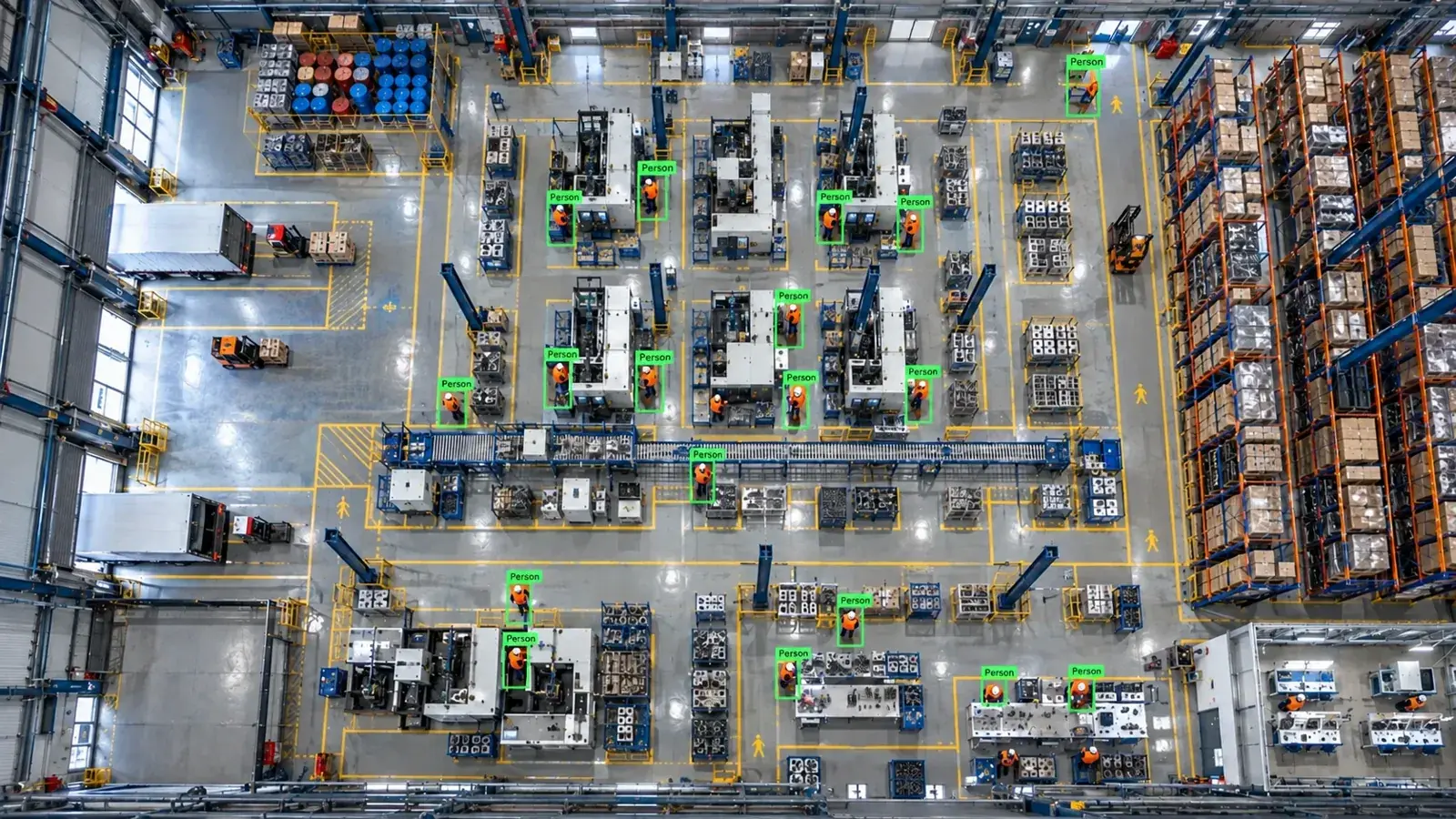
PPE Detection, Fall and Fire Detection with Artificial IntelligenceInnovative methods and installation stages in occupational safety with artificial intelligence solutions for PPE detection, fall detection, and fire detection.
Innovative methods and installation stages in occupational safety with artificial intelligence solutions for PPE detection, fall detection, and fire detection.
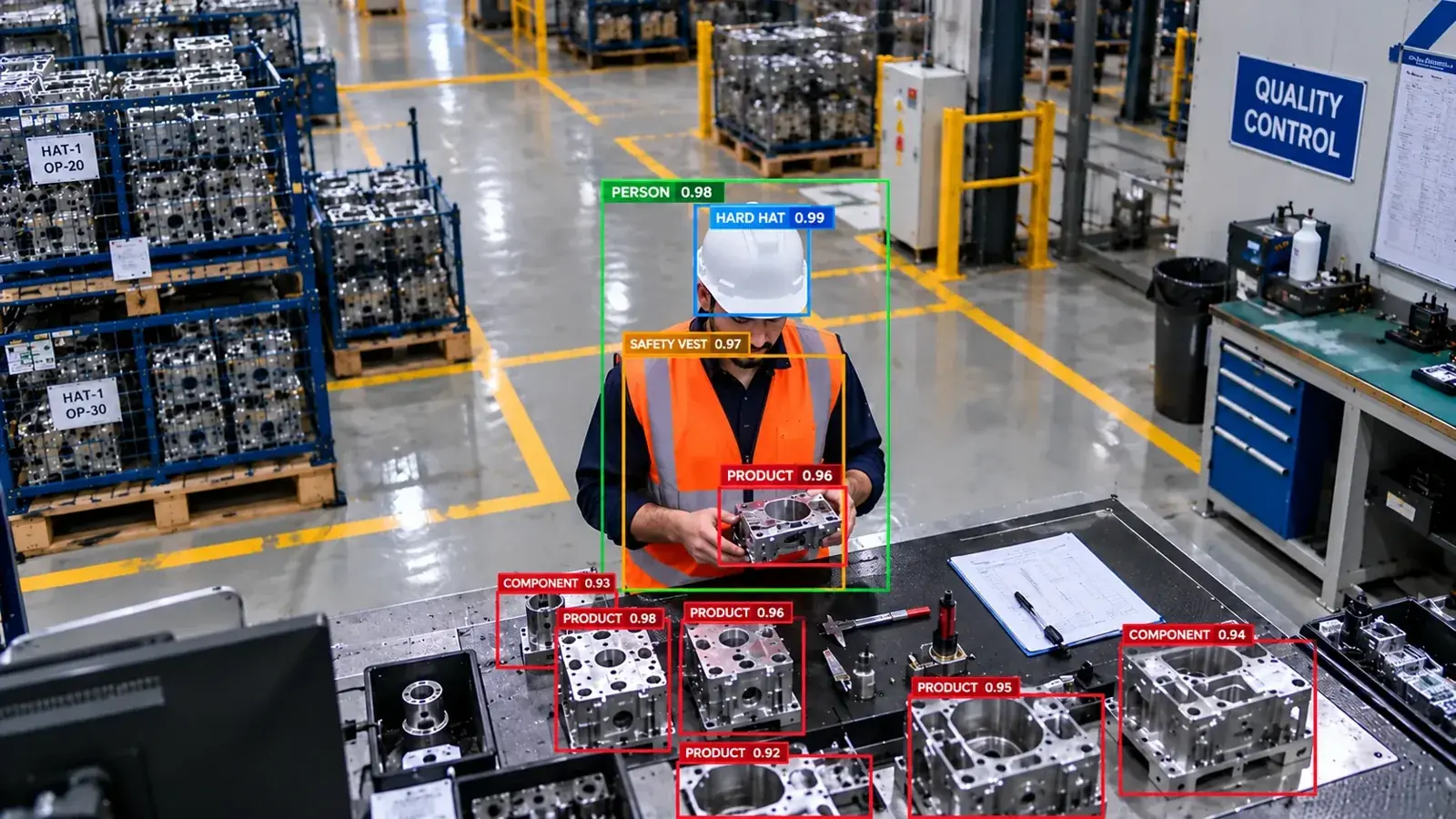
PPE Detection, Fall and Fire Detection with Artificial Intelligence
With advancing technology, AI-powered video analytics solutions are becoming prominent in the field of occupational safety. New methods have been developed for rapid and accurate response in critical areas such as AI-based PPE detection, fall detection, and fire detection. The importance of these technologies is increasingly recognised by factory managers, occupational safety experts, and production-quality managers.
Challenges and Importance in Occupational Safety
Workplace accidents present significant risks to the safety of employees in production areas. Failure to properly monitor PPE (Personal Protective Equipment) usage, falls, and fire risks results in both material and moral damages. Social Security Institution (SGK) statistics indicate the necessity to increase preventive measures to avoid negligence leading to work accidents.
To better understand the fundamental problems experienced in occupational safety, typical scenarios from the field can be examined. For instance, frequent issues include workers on a production line not wearing helmets or gloves, inadequate precautions in areas with high fall risk, or insufficient early warning systems for fire. Such shortcomings negatively impact both employee health and the reputation of the business.
Field Scenario: A worker in a warehouse attempts to reach high shelves without proper PPE. Simultaneously, the floor is slippery, increasing the risk of falling, and the early warning system for fire hazards is inactive. This situation creates a chain reaction risk of an accident.
Traditional Methods and AI-Based Image Processing
While traditional inspection methods are limited to manual observation and reporting, AI-powered video analysis systems provide real-time and objective data. Situations missed by traditional methods are instantly detected and recorded by artificial intelligence.
Let us examine the disadvantages of traditional methods compared to AI-based systems step by step:
AI-based image processing addresses these shortcomings as follows:
Field Scenario: While PPE violations in a workplace were detected through weekly inspections using old methods, the new AI system identifies violations instantly and enables immediate intervention, thereby minimising risks.
- Manual Inspection: Dependent on human factors, risks may be overlooked.
- Delayed Intervention: Hazard situations are not detected instantly, potentially increasing damage.
- Lack of Data: Detailed event records are not kept, preventing analysis.
- Real-Time Monitoring: Provides continuous and uninterrupted control.
- Automatic Alarm: Sends instant notifications to authorities in risk situations.
- Detailed Record Keeping: All incidents are recorded and can be used for subsequent analysis.
How Does the AI Video Analytics Platform Work?
AI video analytics platforms operating through existing IP cameras analyse PPE usage, falls, and fire incidents. Through image processing algorithms, live footage obtained from cameras is transferred to the system via RTSP/ONVIF standards. AI models detect hazards here and send alarms to the responsible personnel.
The step-by-step working process is as follows:
Checklist:
- Image Capture: IP cameras capture live footage in high quality.
- Data Transfer: Footage is transmitted to the video analytics platform via RTSP/ONVIF protocols.
- Algorithm Processing: AI models recognise the presence of PPE, fall motions, or fire indicators such as smoke and flames.
- Event Detection: The system immediately triggers an alarm and notifies relevant persons in hazardous situations.
- Reporting and Analysis: Detected events are recorded in detail and used for performance tracking and improvements.
- Correct positioning of IP cameras
- Support for RTSP/ONVIF protocols
- Regular updates of AI algorithms
- Active and accurate functioning of alarm and notification systems
- Detailed recording and reporting of events
Considerations During Installation
Field Scenario: In a production facility, the fall detection system issued false alarms due to incorrect camera angles. After re-adjusting the camera angles and completing personnel training, system performance improved significantly.
- Camera angle and placement: Suitable positions and angles must be selected to fully monitor hazardous areas. For detailed information, you can refer here.
- Proper lighting conditions: Image quality directly affects AI analysis success.
- KVKK compliance: Solutions must comply with KVKK (Turkish GDPR) regulations for personal data protection.
- Integration of existing IP cameras: RTSP and ONVIF protocols should be supported (details provided).
- Infrastructure and Hardware Compatibility: Network infrastructure and processing power must meet system requirements.
- Personnel Training: Users must be properly trained after system installation.
Measurable Benefits
AI video analytics systems enhance occupational safety levels by preventing workplace accidents. Automated detection of PPE and hazard violations improves process management. Furthermore, ERP integration facilitates data monitoring, enables rapid intervention, and increases operational efficiency.
To make these benefits more concrete, a checklist can be created:
- PPE Compliance Monitoring: Continuous supervision of employees' protective equipment usage.
- Fall Detection: Immediate identification of risky movements enabling prompt intervention.
- Early Fire Warning: Detection of smoke and flames allowing rapid evacuation and response.
- Data Integration: Process optimisation with data transfer to ERP and occupational safety systems.
- Reporting and Analysis: Regular monitoring and improvement of occupational safety performance.
Common Mistakes and Recommendations
There are some common errors encountered in AI-based PPE detection, fall detection, and fire detection systems. These errors can reduce system performance and increase safety risks.
- Incorrect Camera Placement: Hazard areas are not fully monitored, risks may be overlooked. Solution: Conduct a detailed environmental analysis before installation and determine appropriate camera angles.
- Insufficient Lighting: Poor image quality prevents accurate AI analysis. Solution: Increase lighting or prefer night-vision cameras.
- Neglecting KVKK Regulations: Personal data is not protected, leading to legal issues. Solution: Choose KVKK (Turkish GDPR) compliant solutions and enforce strict access controls.
- Lack of Training: Personnel cannot use the system correctly, increasing false alarms. Solution: Provide comprehensive user training and support.
- Integration Issues: Incompatibility with existing systems causes data loss. Solution: Prefer RTSP/ONVIF-supported and compatible platforms.
How to Plan the Pilot Process?
The success of AI-based occupational safety solutions starts with a properly planned pilot process. Pilot implementation is critical for testing and improving the system in a real environment.
Field Scenario: In a production facility, the fall detection system was tested on a small area during the pilot phase to measure its performance, followed by comprehensive training and system enhancements before being rolled out across the entire facility.
- Needs Analysis: Identify the business’s high-risk areas and priority requirements.
- Hardware Selection: Determine suitable IP cameras and infrastructure.
- Software Installation: Integrate the video analytics platform.
- Personnel Training: Inform and train users about the system.
- Testing and Monitoring: Track system performance during the pilot, identify issues.
- Evaluation and Improvement: Make adjustments based on feedback.
- General Deployment: After successful pilot completion, implement across all facilities.
Extra: Best Practices for AI-Based PPE and Fall Detection
The effectiveness of AI-based systems depends not only on technological infrastructure but also on correct application and continuous improvement. Here are some recommendations for successful implementation:
- Employee Engagement: Organise briefing sessions and training to facilitate personnel adaptation to the system.
- Periodic System Checks: Regular testing of camera and software performance.
- Multi-Sensor Integration: Support image analytics with sensors for temperature, smoke, and motion.
- Data Security: Implement strong encryption and access control mechanisms for collected data.
- Performance Reports: Analyse system efficiency and occupational safety status through regular reports.
Conclusion
Modern video analytic solutions for AI-based PPE detection, fall detection, and fire detection enhance occupational safety culture and minimise risks. These platforms offer integrated solutions via existing IP cameras, simplifying installation and management. You can start with a free camera suitability preliminary assessment at your facility.
Frequently Asked Questions
For detailed information and other solutions, please visit our solutions page and blog.
- How do AI video analytics systems work?They receive image data from existing IP cameras and analyse it using AI algorithms.
- Why is PPE detection important?It helps reduce workplace accidents by monitoring employees' use of personal protective equipment.
- Is it difficult to install a fall detection system?It can be easily implemented by integrating with existing systems using appropriate cameras and environment.
- Why is camera angle important?Correct angles ensure clear monitoring of hazard areas; incorrect angles reduce detection success.
- How is KVKK compliance ensured?Processing is performed only with authorised access and permissions to protect personal data confidentiality.
Related solutions
Frequently asked questions
How do AI video analytics systems work?
They receive image data from existing IP cameras and analyse it using AI algorithms.
Why is PPE detection important?
It helps reduce workplace accidents by monitoring employees' use of personal protective equipment.
Is it difficult to install a fall detection system?
It can be easily implemented by integrating with existing systems using appropriate cameras and environment.
Why is camera angle important?
Correct angles ensure clear monitoring of hazard areas; incorrect angles reduce detection success.
How is KVKK compliance ensured?
Processing is performed only with authorised access and permissions to protect personal data confidentiality.