Machine Vision or Deep Learning? A Comparison of Classical Image Processing and Artificial IntelligenceDifferences, advantages, costs, and guidance on choosing between classical machine vision and deep learning-based image processing for your project.
We compared rule-based machine vision and AI-based image processing in terms of cost, flexibility and accuracy.
The term “machine vision” has long been used for systems consisting of industrial cameras, controlled lighting and rule-based software. With the maturity of deep learning, it has become possible to approach the same problems with artificial intelligence. But which is the right choice, and when?
When is classical machine vision sufficient?
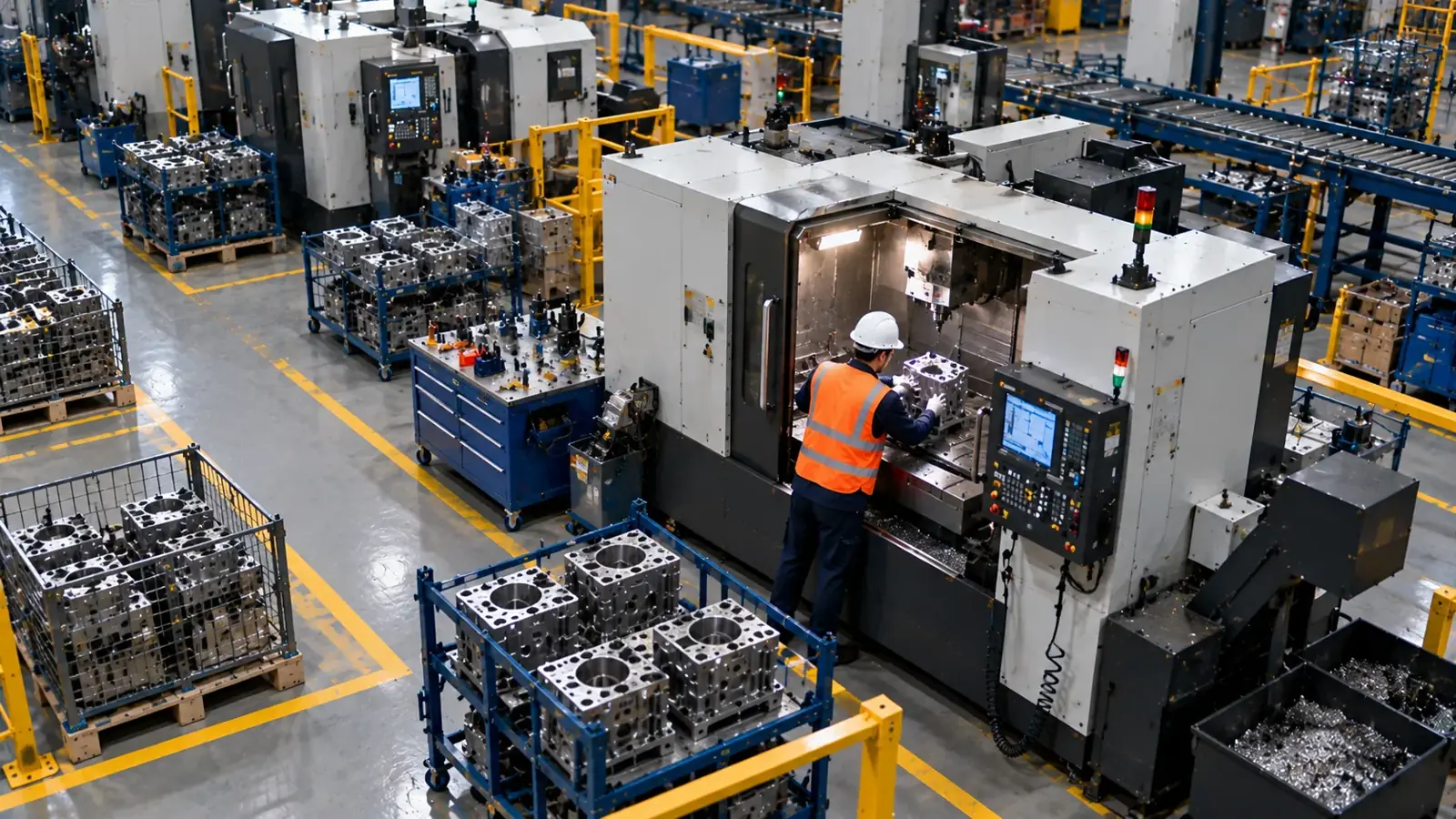
- When the part is always in the same position and lighting conditions
- When precise dimensional measurement (micron level) is required
- When performing standard reading tasks such as barcode, Data Matrix, OCR
- When defect definitions can be precisely converted into rules (e.g. “hole present/absent”)
When is deep learning indispensable?
| Machine vision (rule-based) | Deep learning | |
|---|---|---|
| Development | Engineer writes rules | Learns from labelled data |
| New product/variant | Reprogramming | Retraining with new examples |
| Environmental tolerance | Low | High |
| Explainability | High (rules are clear) | Medium (with visual explanation tools) |
| Typical hardware | Industrial camera + lighting + PC | IP/industrial camera + edge GPU/NPU |
- When defects vary greatly in shape, size and texture (natural materials, fabric, casting)
- When the environment is uncontrolled: varying daylight, different camera angles
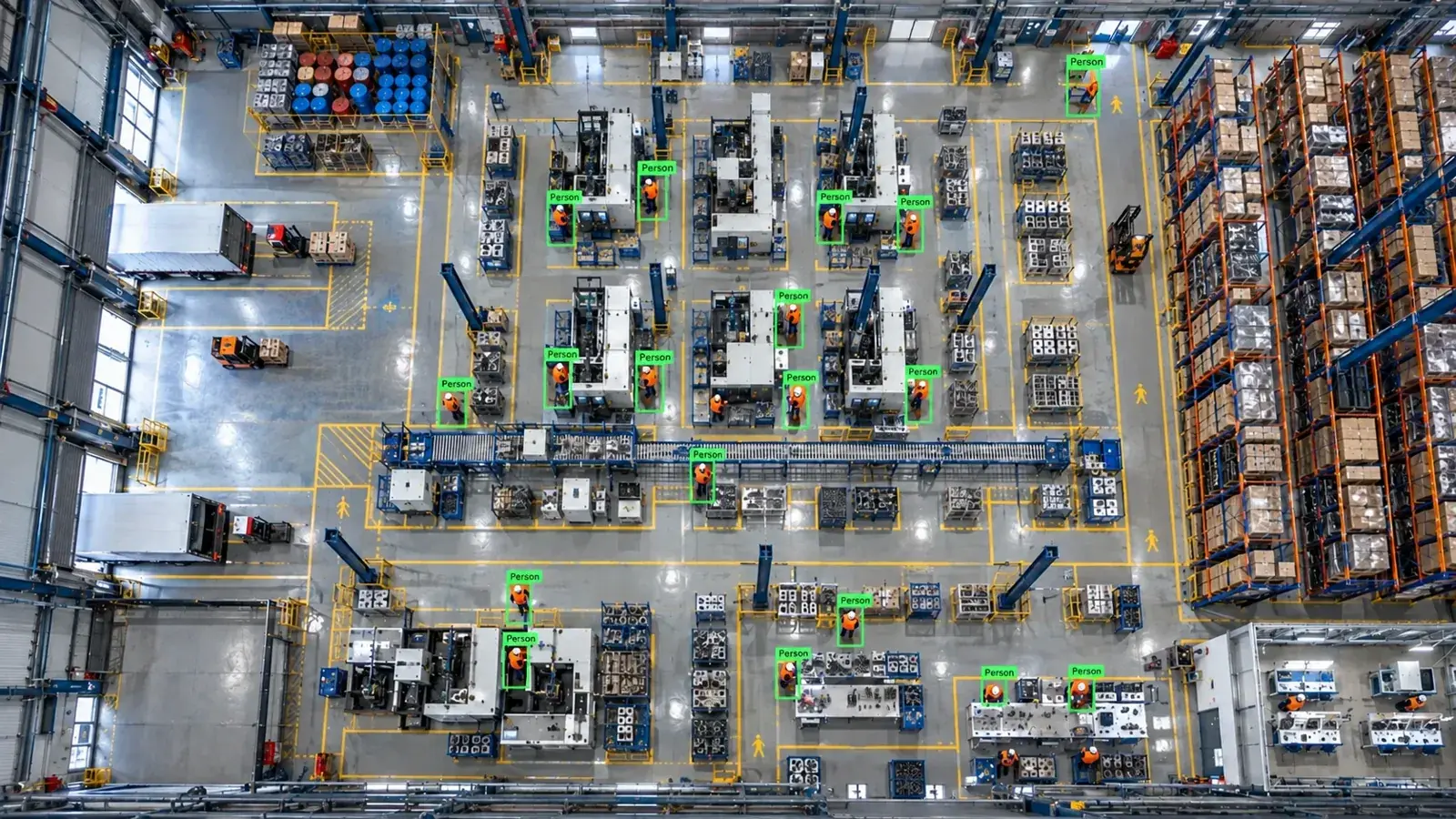
- When human and behaviour analysis is required: PPE, falls, restricted areas, forklift-pedestrian interactions
- When large areas are monitored using existing IP cameras
Best results: hybrid approach
In practice, the most robust systems combine both: deep learning answers the question “Is there a defect here, and where?”; classical image processing then precisely measures the area, dimensions and location of that region. This hybrid approach is also employed in Hype Vision quality modules. See industrial image processing systems.
Let’s discover the right image processing setup for your facility together in a consultation meeting.
Frequently asked questions
Are machine vision and computer vision the same?
They are closely related concepts. Machine vision generally refers to industrial applications and hardware, while computer vision refers to the broader scientific field of algorithms that interpret images.
Is deep learning always more accurate?
No. For simple measurements under consistent conditions, rule-based systems can be faster, cheaper and more explainable. Deep learning excels when variability is high.