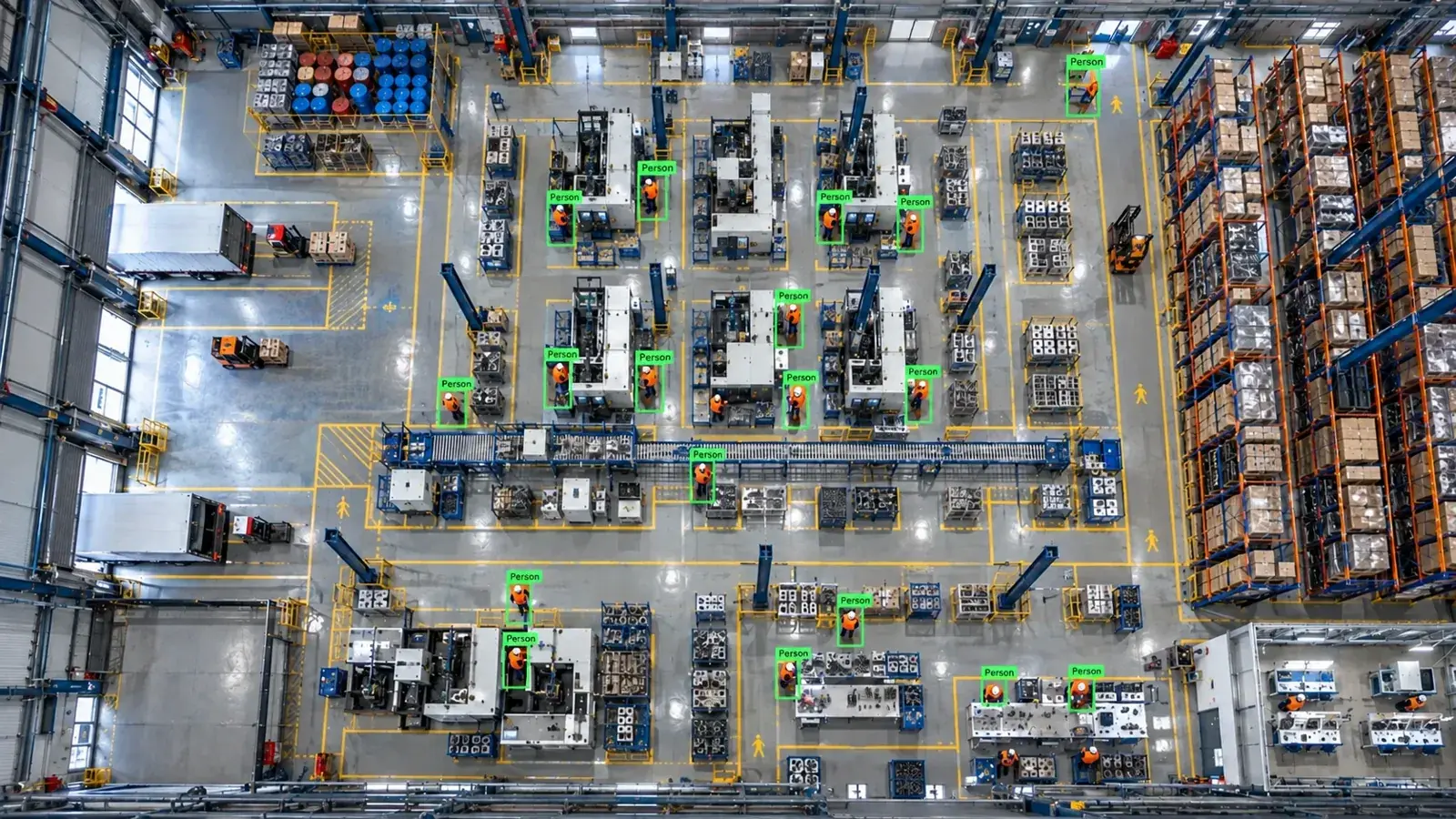
AI Camera Analytics and KVKK Compliance in Factories: A Compliance GuideHow to establish AI-powered camera analytics in the workplace in compliance with KVKK? Illumination, data minimisation, edge processing, masking, retention periods, and access permissions.
We have summarised the key considerations for camera analytics projects under Law No. 6698 on the Protection of Personal Data (KVKK) with a practical checklist.
If individuals can be recognised in camera footage, such footage qualifies as personal data under the Law No. 6698 on the Protection of Personal Data (KVKK). Adding AI analytics changes the purpose and method of data processing, requiring a reassessment of the compliance framework. The good news: with the right architecture, it is possible to achieve both occupational safety/productivity goals and protect privacy.
This article is for general informational purposes and does not constitute legal advice. For assessments specific to your organisation, please consult your KVKK (Turkish GDPR) advisor.
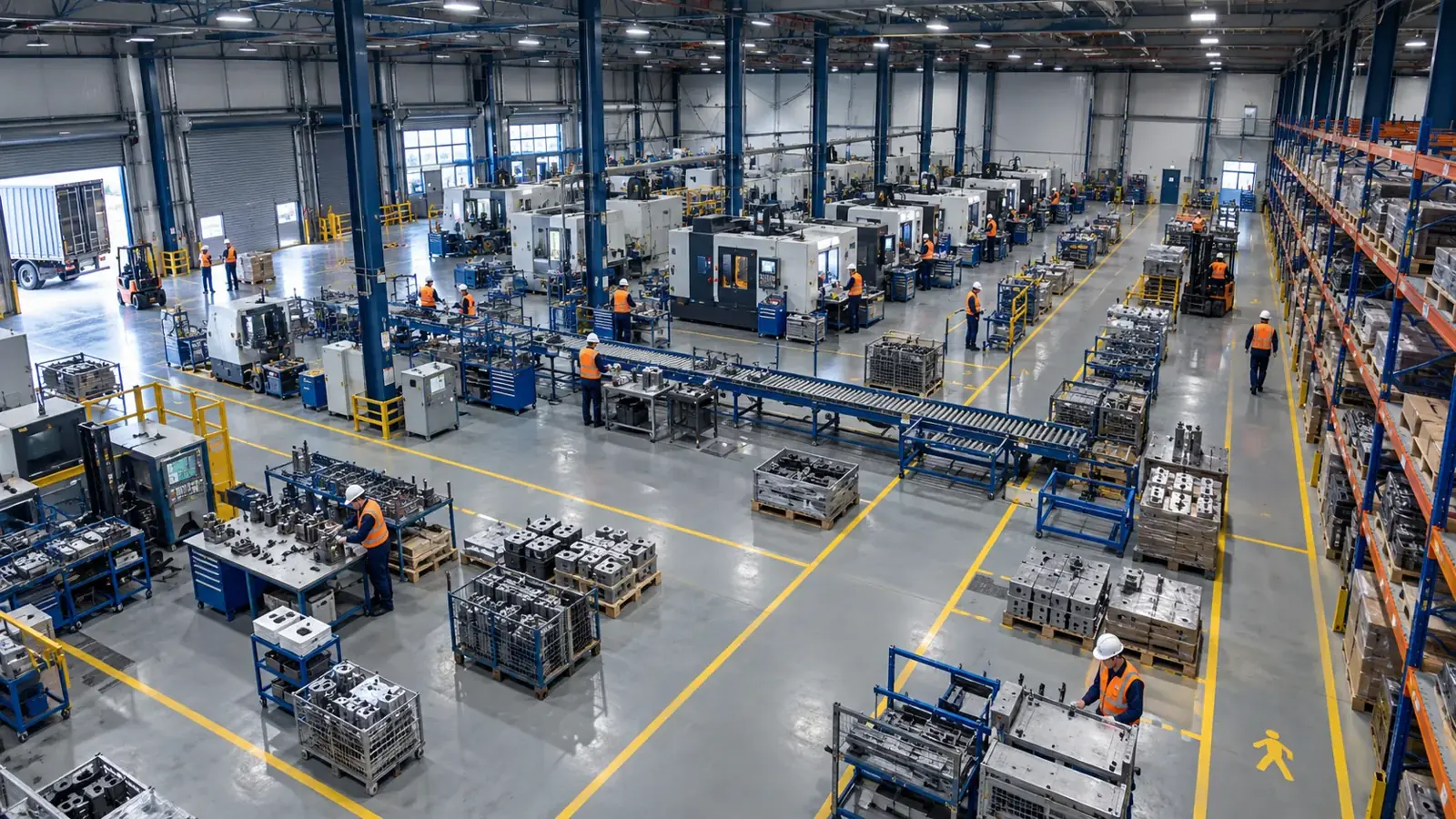
Compliance checklist
- Purpose and legal basis: The purpose of the analytics (e.g. occupational safety, quality) must be defined in writing and linked to the processing conditions.
- Illumination: Employees should be informed about the camera analytics, its purpose, and duration; visible notifications should be placed in monitored areas.
- Data minimisation: Data not essential for the purpose should not be processed; for example, facial recognition should not be used for occupational safety.
- On-site (edge) processing: Images can be analysed within the facility without leaving it, transferring only event metadata.
- Masking/anonymisation: Faces and identity details may be blurred in reports.
- Retention period: Separate, brief, and justified retention periods should be established for raw footage and event records.
- Access rights: Role-based restrictions and logging should control who can view which footage.
- VERBIS and inventory: The personal data processing inventory and, if necessary, VERBIS registration should be updated.
Privacy-focused architectural example
Hype Vision supports this approach by default. For more details: KVKK-compliant camera analytics.
Let us collaboratively determine the correct image processing setup for your facility in an exploratory meeting.
| Layer | Application |
|---|---|
| Camera | Existing IP camera, no changes |
| Edge analysis | Images processed within the facility, no internet connection |
| Event recording | Short masked clip/frame only of the violation moment |
| Panel | Role-based access, processing logs |
| Retention | Automatic deletion policy |
Related solutions
Frequently asked questions
Is explicit consent required for camera analytics for occupational safety?
Different legal bases may apply depending on the situation; as the validity of explicit consent in the employer-employee relationship can be debatable, evaluation should be conducted together with a KVKK (Turkish GDPR) advisor.
Can individual-based violation reports be obtained without facial recognition?
Violations can be reported anonymously (region, time, violation type). If individual matching is necessary, it should be limited to and justified by existing systems such as turnstile/card data.