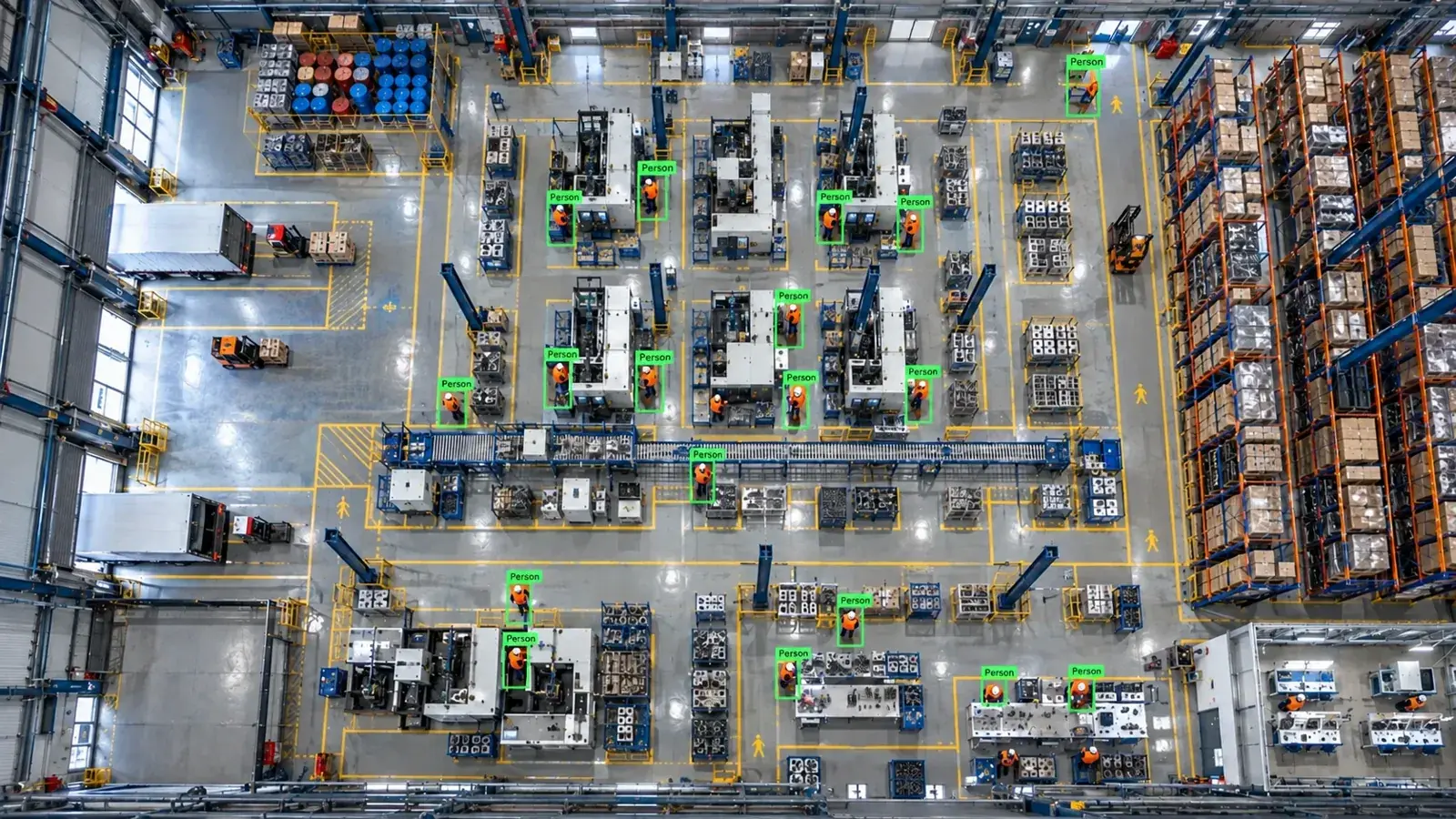
Image Processing Companies: 10 Criteria for Choosing the Right CompanyWhat to look for when selecting an image processing company? A checklist of 10 criteria including field references, existing camera compatibility, edge/cloud, KVKK (Turkish GDPR), pilot process, and cost.
A practical checklist of 10 items you can use to compare proposals when choosing an industrial image processing company.
A production manager searching for “image processing companies” in Turkey encounters a wide range of players, from machine vision integrators to AI startups. Proposals may appear similar at first glance, but installation time, hidden hardware costs, and real-world accuracy can vary significantly. The following 10 criteria will help you weigh proposals on an equal footing.
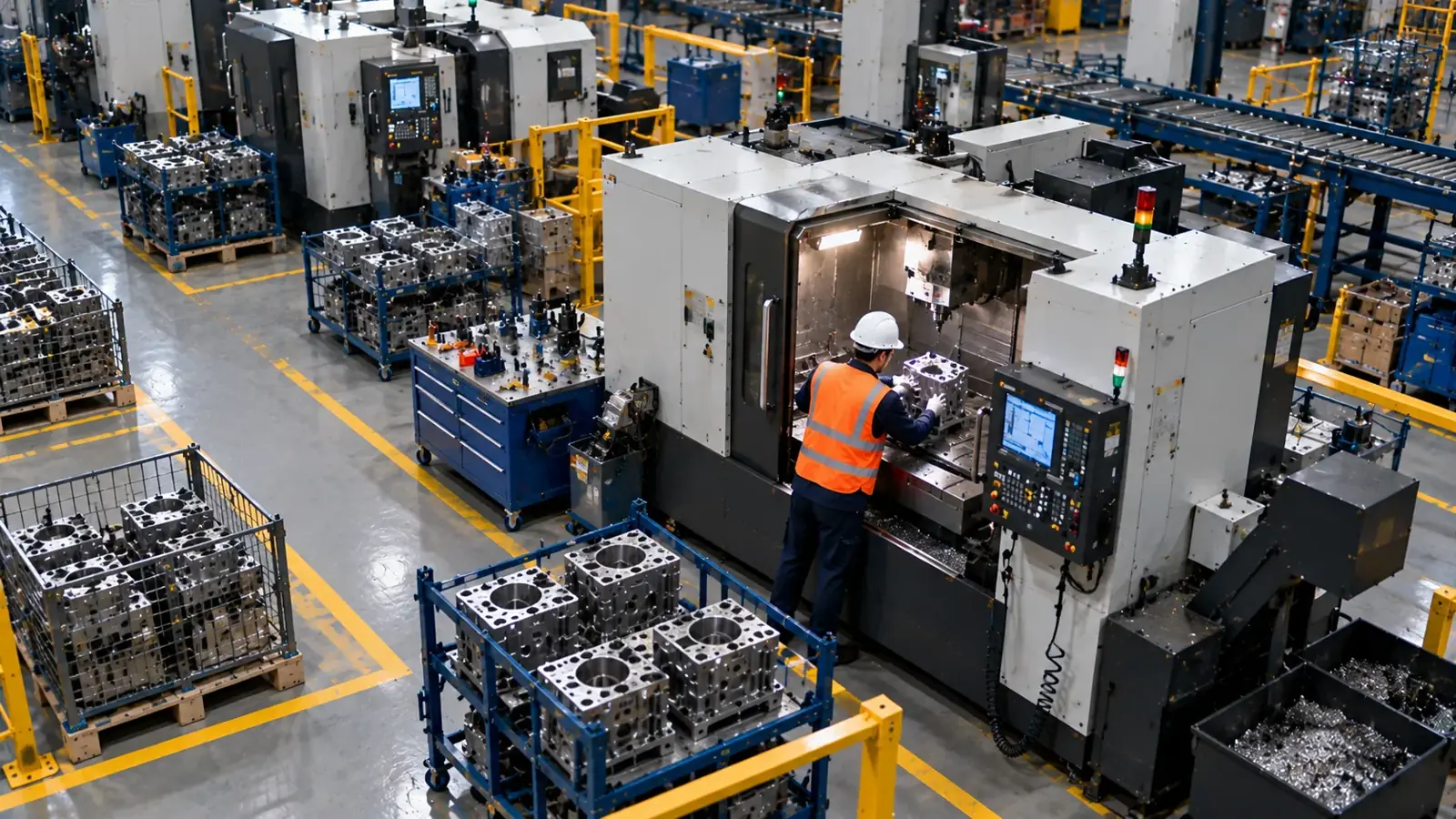
10 Criteria for Choosing an Image Processing Company
1. Proven Accuracy in the Field
Not laboratory accuracy, but the accuracy under your lighting and camera angle is what matters. Request measured results from similar sites and the post-pilot validation method from the company.
2. Compatibility with Existing Cameras
A brand-independent solution supporting RTSP/ONVIF can eliminate the need for new camera investments. For proposals stating “You must purchase our camera,” calculate the total cost separately. See ONVIF/RTSP AI integration.
3. Edge, Cloud, or Hybrid Option
If images must not leave the facility, analysis should be possible on-site (edge). A central cloud panel offers advantages for multi-location setups. A good company offers both.
4. KVKK (Turkish GDPR) and Data Security
The personal data processing inventory, retention period, masking/anonymisation, and access permissions must be clear. See KVKK compliant camera analytics.
5. Short and Measurable Pilot
Instead of projects lasting months, request a pilot of 1–2 or just a few weeks with predefined success criteria. Success metrics: accuracy, false alarm rate, alarm delay, and operational impact.
6. Ready Modules + Custom Model Flexibility
Ready modules like helmet, PPE, and restricted area provide a fast start; custom model training should be possible for defects unique to your product.
7. Integration (ERP, MES, PLC, turnstile)
Detection results should not remain only on screen; they must trigger on-site systems such as REST API, Modbus/Ethernet-IP, turnstiles, or sirens.
8. False Alarm Management
A system that produces too many alarms is quickly ignored. Verify that rules based on zone, time threshold, and shift can be defined.
9. Local Support and Turkish Interface
A team able to visit the site, provide Turkish reporting and training, is critical for rapid calibration in the initial months.
10. Transparent Total Cost of Ownership
License, hardware, installation, maintenance and model update costs should be listed separately. Calculate ROI including scrap, downtime, and accident costs.
Proposal Comparison Table
| Question | Why is it important? |
|---|---|
| Does it work with my existing cameras? | Determines hardware cost |
| What is the pilot duration and success criteria? | Limits risk |
| Do images leave the facility? | KVKK (Turkish GDPR) and information security |
| How is the false alarm rate measured? | Determines field usability of the system |
| Which systems does it integrate with? | Ensures detection triggers action |
Where Does Hype Vision Stand Regarding These Criteria?
Hype Vision has been a team developing industrial image processing in Bilişim Vadisi, Gebze since 2020. It works with existing IP cameras (brand-independent); offers edge, cloud, and hybrid architectures; consolidates İSG, quality, and efficiency modules into a single panel. You can review all modules on the image processing solutions page.
Let’s identify the right image processing setup for your facility together during a discovery meeting.
Related solutions
Frequently asked questions
How long does it take to deploy an image processing project?
Pilots with ready modules (PPE, helmet, restricted area) are typically set up within days. Projects requiring custom defect detection model training may take a few weeks including data collection.
What affects the price of an image processing system?
The price depends on the number of cameras, modules, edge hardware requirements, custom model training, and integration scope. Using existing cameras can significantly reduce costs.
What happens if the pilot fails?
In a well-structured pilot, success criteria are defined upfront; if criteria are not met, the decision to deploy widely will not be made. Therefore, measurable goals must be clarified before the pilot.