
Bottle Label Alignment Inspection: AI-Powered Camera SolutionsAutomate bottle label alignment inspection with AI and industrial cameras. Integrate Hype Vision solutions into your manufacturing facility efficiently.
Bottle label alignment inspection is a critical step in the beverage and filling industry to ensure quality and protect brand image. Misaligned or missing labels negatively impact customer satisfaction and production processes. This need can be managed automatically and rapidly with AI-powered camera solutions.
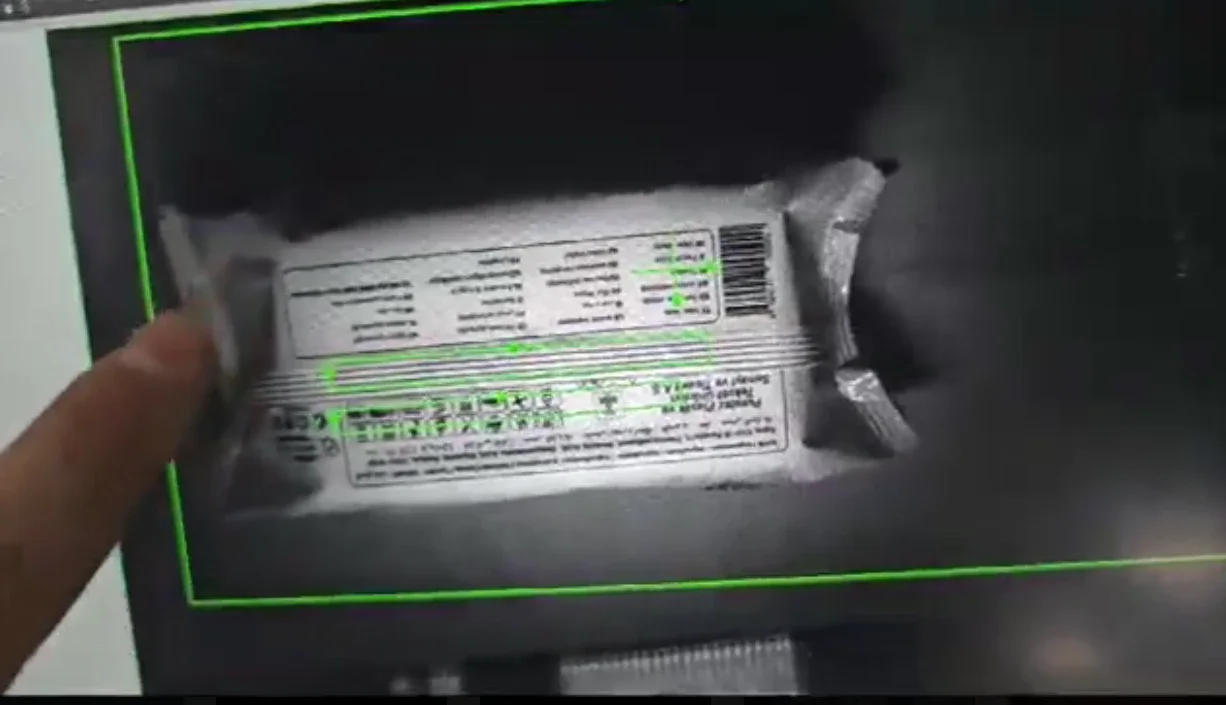
Bottle label alignment inspection is performed thoroughly and quickly using industrial cameras and AI algorithms. Hype Vision’s flexible, brand-agnostic platform easily integrates in-plant inspection.
What Is Bottle Label Alignment Inspection and Why Is It Important?
Bottle label alignment inspection is a quality control process that verifies whether labels applied on bottles along the production line are positioned correctly. Misplaced, missing, or folded labels reduce product value, diminish customer trust, and may lead to non-compliance with regulations.
Considering the high speed and variety in today’s manufacturing environments, manual inspections are time-consuming, error-prone, and costly. Therefore, automatic, accurate, and rapid inspection systems provide significant advantages.
Traditional Methods of Bottle Label Alignment Inspection and Their Limitations
Quality control is often performed through manual visual checks or basic sensor-based verification systems. These approaches are vulnerable to inconsistency and fatigue due to human factors. Furthermore, sensors detect only at fixed points and cannot effectively identify complex alignment defects.
Traditional systems also suffer from limited data integration and real-time analysis capabilities, making prompt intervention challenging.
How Is Bottle Label Alignment Inspection Performed Using Cameras and AI?
Industrial cameras capture high-resolution images of bottles on the production line. These images are streamed via RTSP/ONVIF protocols to the Hype Vision platform. 'Hype-Model' family object detection and classification models instantly analyze label position accuracy, alignment angle, and presence of missing or folded areas.
AI-based analysis adapts to different brands and designs, evaluating complex cases with high accuracy without manual review. The system detects defective bottles and triggers alerts, enabling removal or corrective actions on the production line.
- Identify bottle and label areas within camera images
- Analyze label correctness in position and angle
- Detect missing, defective, or misaligned labels
- Enable intervention through alarms and reporting
Camera, Lens, and Lighting Requirements
Obtaining precise and clear images for bottle label alignment requires appropriate camera selection. Typically, cameras with high resolution (2 MP or higher), low latency, and industrial durability are preferred.
Lens choice depends on label size and distance; fixed-focus, wide-angle lenses are commonly used.
Lighting employs uniform, shadow-free white LED illumination. Optimization is tailored to label characteristics and environment. Directed and ring lighting are widely applied to minimize glare and reflections.
Installation Steps and Integration Process
1. Verify RTSP/ONVIF support of existing IP/CCTV cameras and establish connections.
2. Collect sample bottle images with labels in your facility to train the AI model.
3. Develop and validate a customized analysis algorithm within the Hype Vision platform using the 'Hype-Model' family.
4. Position and calibrate cameras and lighting according to recommendations.
5. Integrate alarms with ERP/MES systems, VMS, or PLC using REST API and relay outputs.
6. Conduct a 2-4 week pilot phase to monitor performance and compatibility.
Applicability Limits and Considerations
AI-based inspection systems are influenced by label material, packaging shape, and production speed. Highly complex or excessively reflective labels may require additional adjustments.
Environmental factors such as dust, vibration, and lighting conditions can degrade image quality. Regular maintenance and calibration are therefore essential.
Some AI analytics modules are designed in compliance with data protection principles, preserving privacy and adhering to regulations.
Bottle Label Alignment Inspection Pilot with Hype Vision
At Hype Vision, we connect to existing IP cameras via RTSP/ONVIF and conduct rapid pilot implementations using our proprietary 'Hype-Model' algorithms. Pilot durations typically range from 2 to 4 weeks, during which the system is customized, tested, and data integrations are established.
Our on-premise solution ensures data security. We offer flexible alarm options including WhatsApp/SMS notifications, VMS popups, PLC, or ERP/MES integrations. If necessary, we also provide and install industry-specific cameras and lighting for quality control.
Ultimately, bottle label alignment management is automated in manufacturing plants, improving operational efficiency and minimizing human errors.
This page answers: bottle label alignment inspection · bottle label alignment inspection system · ai for bottle label alignment inspection · how to perform bottle label alignment inspection with camera · bottle label alignment inspection automation · bottle label alignment inspection software · bottle label alignment inspection solution · companies providing bottle label alignment inspection · bottle label alignment inspection cost · implementing bottle label alignment inspection in manufacturing
Frequently asked questions
Why is bottle label alignment inspection necessary?
Misaligned or missing labels damage brand image, reduce customer satisfaction, and cause production errors. Automated inspection mitigates these risks.
How is bottle label alignment checked using AI?
AI analyzes images from cameras to verify bottle and label position and angle, instantly detecting defective products.
What camera and lighting features are sufficient?
High-resolution, industrial IP cameras combined with uniform white LED illumination provide optimal imaging; lens choice depends on label details.
How does the pilot process work and how long does it last?
The pilot involves training, adaptation, and testing with facility images and typically lasts 2 to 4 weeks.
Is integration with existing systems possible?
Yes, the system integrates via REST API with ERP/MES, VMS, PLC/relay interfaces, and offers alarm and notification options.
What can AI detect in your factory?
Let's review together which safety, quality and production analytics your existing security cameras can deliver.
- Free 15-minute technical call
- Camera infrastructure pre-assessment
- Feasible AI scenarios