
Food & Beverage Hand Hygiene and PPE Monitoring with AI CamerasImprove food safety compliance by monitoring hand hygiene and PPE in food plants using AI on existing security cameras with Hype Vision's on-premise solutions.
Ensuring proper hand hygiene and the use of personal protective equipment (PPE) is critical in food and beverage facilities to meet FDA and FSMA requirements while maintaining safety and quality.
Hype Vision applies AI-powered analytics to your existing IP/CCTV cameras to monitor hygiene compliance efficiently and discreetly on-site, without cloud dependency.
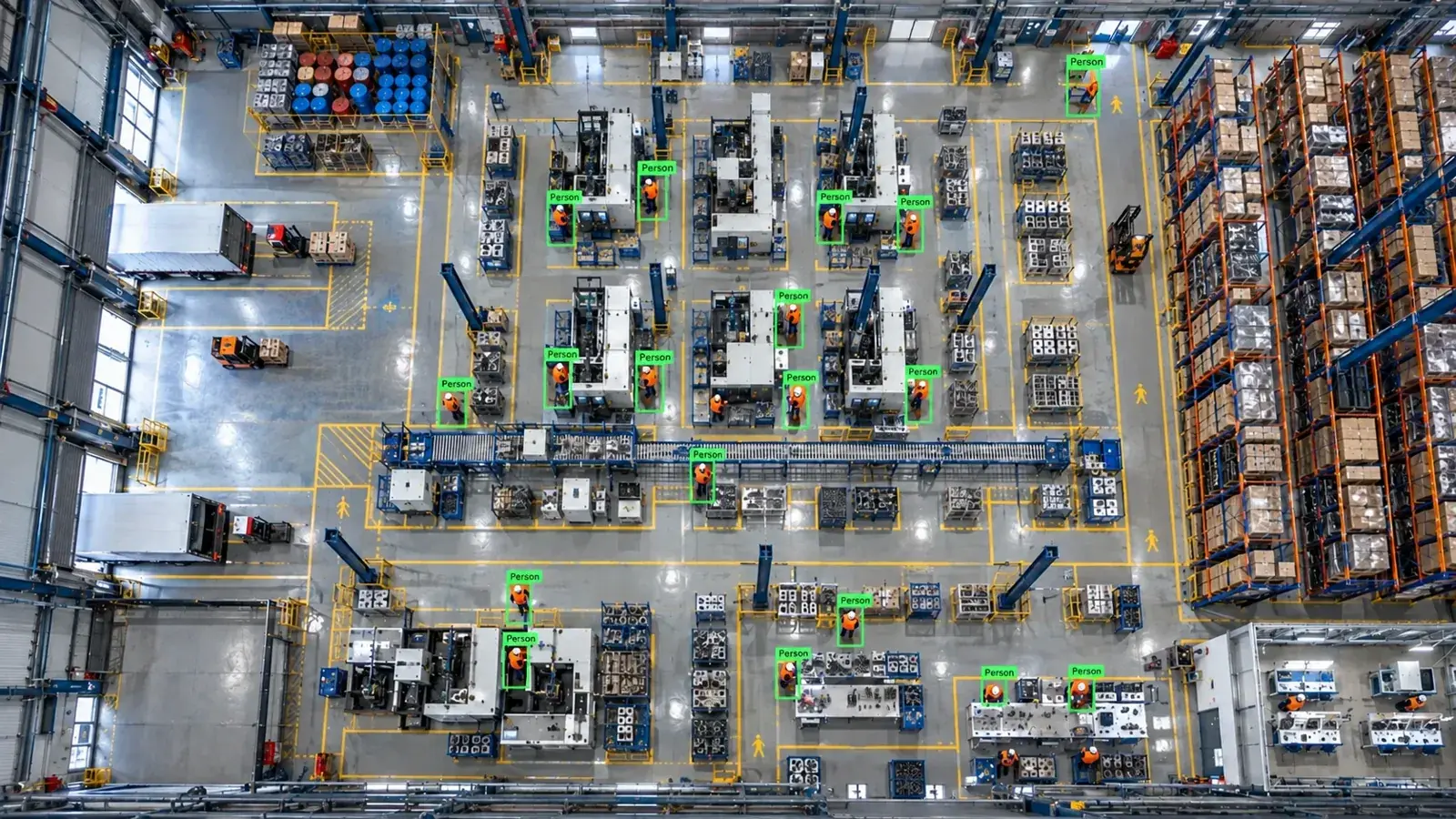
Hype Vision’s AI enhances existing security cameras to monitor hand hygiene and PPE use in food plants, supporting FSMA compliance with privacy-conscious, on-premise detection and real-time alerts.
The Challenge of Hand Hygiene and PPE Compliance in Food Facilities
Food and beverage plants face stringent regulatory standards for handwashing and PPE usage to prevent contamination and ensure product safety. Manual monitoring is labor-intensive, prone to error, and often inconsistent.
Facilities struggle with maintaining continuous compliance oversight across large or multiple production and warehousing areas. Inefficient monitoring can lead to cross-contamination risks and potential regulatory violations.
- Manual audits are time-consuming and subject to human error.
- Non-compliance risks include contamination and operational disruptions.
- Traditional monitoring can miss critical hygiene events or PPE lapses.
How AI-Enabled Monitoring Works on Existing Security Cameras
Hype Vision integrates AI models into your facility’s current IP or CCTV cameras via standard RTSP or ONVIF protocols, regardless of camera brand or model. This means no costly camera replacements or system overhauls.
Our Hype-Model technology, running entirely on-premise, analyzes video streams in real-time to detect handwashing activity and PPE compliance like hairnets, gloves, and masks while preserving privacy through anonymous processing.
Alerts can be pushed via dashboard notifications, SMS/WhatsApp, VMS popups, PLC or relay triggers, or via REST API to ERP/MES systems enabling intervention and traceability.
- Connects with existing cameras via RTSP and ONVIF standards.
- On-premise AI processing ensures data privacy and low latency.
- Supports detection of multiple PPE items and hand hygiene actions in various facility zones.
What Can Be Detected and Monitored?
Hype Vision’s advanced models identify key behaviors and protective gear, including:
• Hand washing events at sinks—recognizing motion and duration aligning with hygiene protocols.
• PPE compliance such as wearing hairnets, gloves, masks, and safety vests in food handling areas.
• Access control violations where PPE or hygiene standards are insufficient.
This granular insight helps managers maintain hygienic operations and take timely corrective actions.
- Hand hygiene monitoring at designated wash stations.
- Detection of hairnets and other PPE on personnel.
- Real-time alerts for missing or improper PPE.
- Compliance tracking without storing personally identifiable information.
Camera Placement and Technical Requirements
Effective monitoring begins with optimal camera placement focused on high-risk zones such as handwashing sinks, processing lines, and facility entrances.
Cameras need clear, unobstructed views under adequate lighting conditions to allow the AI models to accurately identify hand movements and PPE. Placement should avoid reflecting surfaces or blind angles.
Hype Vision is compatible with most existing IP cameras supporting RTSP or ONVIF streaming; however, some cloud-based or proprietary camera platforms may limit integration due to restricted streaming access.
Network bandwidth and on-premise hardware should be sufficient to support continuous real-time video analysis.
- Line of sight to handwashing and PPE zones is essential.
- Compatible with brand-agnostic cameras using RTSP/ONVIF protocols.
- Avoid obstructions, glare, or poor lighting for best results.
- On-premise processing hardware must meet minimum performance specs.
Feasibility and Limitations to Consider
While AI models are highly effective, there are some limitations to understand:
• Cameras with very low resolution or frame rates may reduce detection accuracy.
• Obstructed views or crowded scenes can challenge real-time monitoring of individual compliance.
• Hype Vision’s privacy-friendly approach anonymizes data but does not replace thorough manual audits where required.
• Integration depends on open streaming availability; some factory camera systems with closed or encrypted streams may not be supported.
Starting a Pilot for Your Facility
Hype Vision offers a typical 2-4 week pilot to demonstrate system effectiveness with your existing infrastructure. The process includes:
• Assessment of current cameras and network capabilities to confirm compatibility.
• Installation of AI modules on-premise, connected to your cameras via RTSP/ONVIF streams.
• Configuration of detection parameters tailored to your facility’s hygiene and PPE protocols.
• Real-time monitoring with alerts set up for your preferred channels (dashboard, SMS, ERP, etc.).
• Performance evaluation and adjustment to optimize detection accuracy and user experience.
- Audit existing camera and network setups.
- Deploy on-premise AI processing unit.
- Customize model settings for site-specific requirements.
- Set alert preferences and integrate into existing workflows.
- Review pilot results and plan full-scale deployment.
OSHA, ANSI, and FDA Compliance Considerations
Monitoring hand hygiene and PPE helps food and beverage plants align with general OSHA and ANSI safety standards as well as FDA/FSMA food safety regulations.
Hype Vision’s technology supports operational compliance but does not replace legal consultation or formal audits. This content provides general information and is not legal advice.
This page answers: food safety hand hygiene ai · hairnet detection camera · food plant ppe monitoring · fsma hand hygiene
Frequently asked questions
Can Hype Vision’s system work with any existing security camera brands?
Yes, the system works alongside virtually any IP or CCTV camera that supports RTSP or ONVIF streaming, regardless of brand. However, some cloud-based or proprietary camera platforms that restrict video stream access may not be fully compatible.
How does the AI detect hand hygiene without invading privacy?
The AI processes video streams locally on-premise analyzing anonymous movements and protective gear without recording or storing personally identifiable images, ensuring data privacy while still detecting compliance.
What types of PPE can the system monitor in food facilities?
The Hype-Model can detect common food plant PPE such as hairnets, gloves, masks, and safety vests to help ensure proper usage in critical areas.
Can alerts from the system integrate with existing safety or production systems?
Yes, alerts can be sent via dashboard notifications, SMS/WhatsApp, VMS popups, PLC/relay triggers, or REST API to integrate with ERP, MES, or other operational software.
What are typical camera placement guidelines for best results?
Cameras should have clear, unobstructed views of handwashing stations, production lines, and entry points under stable lighting. Avoid glare, reflections, or crowded angles to maintain detection accuracy.
How do I start with a pilot to evaluate the AI monitoring system?
The pilot typically lasts 2-4 weeks, starting with a site assessment of your existing cameras, installing on-premise AI modules, customizing detection settings, and activating alerts to demonstrate compliance monitoring in your environment.
What can AI detect in your factory?
Let's review together which safety, quality and production analytics your existing security cameras can deliver.
- Free 15-minute technical call
- Camera infrastructure pre-assessment
- Feasible AI scenarios