
Retail Shrink and Shopping Cart Loss Prevention with AIDiscover how AI on existing security cameras helps US retailers prevent shrink and shopping cart loss with on-premise, brand-agnostic detection technology.
Retail shrink and shopping cart loss are significant operational challenges that impact profitability and safety in retail and warehouse environments. Addressing these issues with AI-powered solutions can improve loss prevention and operational efficiency without costly infrastructure changes.
Hype Vision’s AI technology runs on-premise and integrates with existing IP/CCTV cameras via RTSP or ONVIF, enabling advanced object detection and alerting to prevent retail shrink and shopping cart loss effectively.
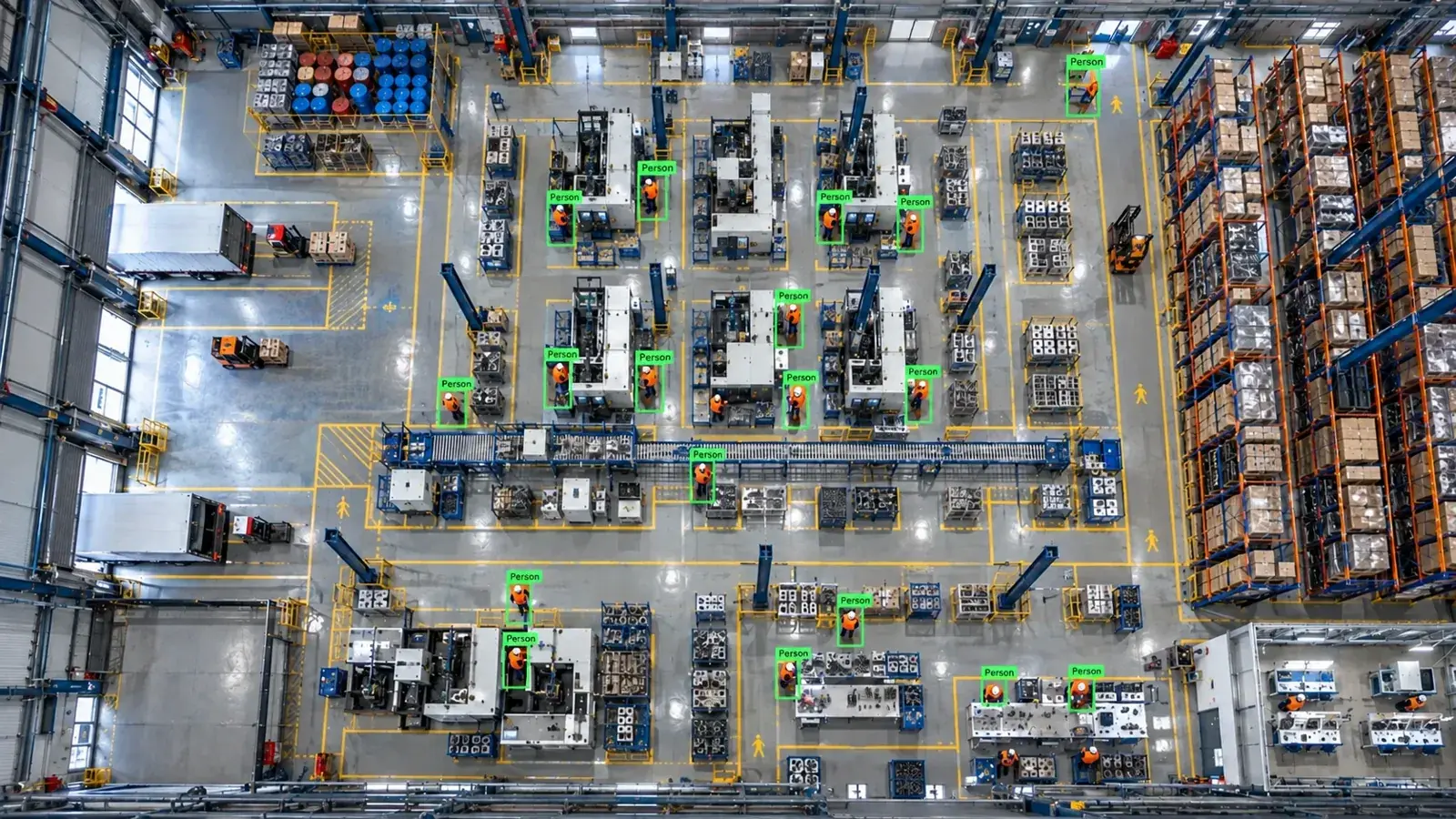
Hype Vision’s AI enhances loss prevention by analyzing existing security cameras on-site, detecting retail shrink activities and shopping cart losses with privacy-respecting, anonymous models. It delivers real-time alerts to support operational decisions.
Understanding Retail Shrink and Shopping Cart Loss
Retail shrink refers to inventory loss caused by theft, error, or fraud, which heavily affects profit margins. Shopping cart loss, including theft or unauthorized cart removal, creates operational costs and logistical challenges for retailers and warehouses.
Traditional methods like manual monitoring or barcode checks are costly, error-prone, and limited in real-time responsiveness. Industrial AI applied to existing security camera networks offers an efficient, continuous way to detect and reduce shrink and cart loss.
- Shrink sources: shoplifting, employee theft, misplacement, administrative errors
- Shopping cart risks: theft, abandonment, improper usage impacting safety and costs
- Operational impact: increased expenses, inventory inconsistencies, safety concerns
How AI on Existing Cameras Addresses Loss Prevention
Hype Vision’s Hype-Model family uses advanced AI models for object detection, classification, pose estimation, and optical character recognition, running entirely on-premise to process video from existing IP/CCTV cameras using RTSP or ONVIF protocols.
This approach means no need to replace or add new cameras; instead, the AI analyzes live feeds to detect suspicious activities related to retail shrink and shopping cart misuse.
Alerts are generated in real-time and can be integrated into existing security workflows via dashboard notifications, VMS popups, SMS/WhatsApp, PLC relays, or ERP/MES systems through REST API.
- Uses existing IP cameras supporting RTSP/ONVIF streams
- On-premise operation ensures data privacy and low latency
- Anonymous detection models respect customer and employee privacy
- Multiple alert channels optimize response and operational efficiency
What Can Be Detected for Shrink and Cart Loss Prevention
The Hype-Model family can detect objects and behaviors related to theft, unauthorized access, and shopping cart misuse. It can identify actions such as:
The models classify and track objects to pinpoint incidents like cart removal beyond permitted areas or suspicious handling of retail items.
Using pose estimation, the system can detect abnormal behaviors and alert security or operational staff promptly.
- Shoplifting attempts involving product concealment or removal
- Unauthorized shopping cart removal or abandonment outside designated zones
- Tampering or manipulation of inventory shelves and checkout areas
- Suspicious behaviors around entry/exit points or sensitive zones
Camera Requirements and Placement Considerations
Since Hype Vision works with existing IP or CCTV cameras over standard streaming protocols (RTSP/ONVIF), facility operators can utilize already installed cameras, subject to certain placement and quality criteria.
Proper camera angles capturing entry/exit points, checkout lanes, cart storage areas, and retail aisles are critical to effective detection. Cameras should provide clear video with minimal obstructions and sufficient lighting.
While most brand cameras support RTSP or ONVIF, some cloud or closed platforms limit streaming access, which may affect integration feasibility.
For best results, cameras should ideally cover focal areas where shrink or cart loss is likely and provide a view suitable for object detection and behavior analysis.
- Standard IP/CCTV cameras with RTSP or ONVIF stream access
- Coverage of key areas: entry/exit points, cart storage, aisles, checkout
- Sufficient resolution and lighting for AI model accuracy
- Consider privacy zones or masking to maintain compliance and anonymity
Limitations and Feasibility Considerations
AI-based shrink and cart loss detection relies on video quality and camera placement. Poor lighting, camera obstructions, or very wide-angle lenses may reduce system accuracy.
Closed or cloud-only camera platforms without RTSP/ONVIF access may not be compatible for on-premise AI deployment.
The system complements but does not replace comprehensive loss prevention programs including physical security measures and staff training.
Hype Vision models operate anonymously and respect privacy, but regulatory compliance related to video surveillance and employee/customer privacy must be managed by the deploying organization.
Finally, AI detection accuracy depends on pilot calibration and facility-specific factors; results improve with observation and system tuning.
- Dependent on camera feed quality and angle
- Limited by streaming protocol access (RTSP/ONVIF required)
- Not a standalone solution—works best integrated with broader security measures
- Privacy and regulatory compliance must be maintained by the facility
Starting a Retail Shrink and Cart Loss Prevention Pilot
Hype Vision recommends beginning with a 2-4 week pilot to assess effectiveness, configuration needs, and integration potential within the facility’s existing infrastructure.
The pilot includes:
During the pilot, performance metrics such as detection accuracy, alert relevance, and operational impact are evaluated to determine next steps.
- Site survey to evaluate camera network and coverage
- Installation of on-premise AI software connected to existing camera streams
- Configuration of relevant Hype-Model modules for shrink and cart loss scenarios
- Testing alert delivery and integration with security and operational systems
- Monitoring and adjustment to optimize detection performance and minimize false alerts
General Safety and Regulatory Information
Retail and warehouse operations must consider safety and legal regulations related to surveillance and loss prevention. Hype Vision’s AI tools integrate transparently with existing security infrastructure while maintaining privacy-friendly operation.
In the context of safety standards such as OSHA and ANSI, video analytics can support hazard identification and compliance efforts but any deployment should ensure alignment with organizational safety policies and legal requirements.
This information is intended as a general overview and not legal advice. Facilities should consult appropriate legal and safety professionals for guidance.
This page answers: retail shrink ai · shopping cart loss prevention · cart containment system · retail loss prevention cameras ai
Frequently asked questions
Can Hype Vision’s AI work with all existing security cameras?
Hype Vision connects to existing IP or CCTV cameras that support standard RTSP or ONVIF streaming protocols. Some cloud or closed systems without these streaming options may not be compatible.
How does on-premise deployment enhance privacy?
On-premise deployment means video data is processed locally within the facility, without cloud transmission, reducing exposure to external threats and helping comply with privacy requirements.
What types of alerts can the system send for shrink and cart loss prevention?
Alerts can be delivered via dashboard notifications, video management system popups, SMS/WhatsApp messages, programmable logic controller (PLC)/relay triggers, and integration with ERP/MES systems via REST API.
What camera placements are best for detecting shopping cart loss?
Ideal camera placement includes entry and exit points, parking and cart storage areas, checkout lanes, and aisles where cart usage is frequent, ensuring clear, unobstructed views with good lighting.
How long does a typical pilot take before full deployment?
A typical pilot runs for 2-4 weeks to evaluate system compatibility, detection accuracy, and operational integration before scaling to full facility coverage.
Does this solution replace manual security checks?
No, AI-powered monitoring complements manual security by providing continuous, real-time detection and alerts to help reduce shrink and cart loss more efficiently.
What can AI detect in your factory?
Let's review together which safety, quality and production analytics your existing security cameras can deliver.
- Free 15-minute technical call
- Camera infrastructure pre-assessment
- Feasible AI scenarios