
Axis ACAP: Internal vs Centralized AI Analysis ComparedExplore the advantages, limitations, and integration possibilities of Axis ACAP internal analytics and centralized AI analysis for industrial and security use cases.
Today, IP cameras generate valuable data through AI-powered analytics, especially in security and manufacturing. The Axis ACAP platform enables in-camera analytics applications, while centralized AI systems process this data comprehensively across multiple sources.
This article provides an expert comparison between Axis in-camera AI applications and post-collection centralized AI analytics, outlining when to choose each method and how they can be effectively combined.
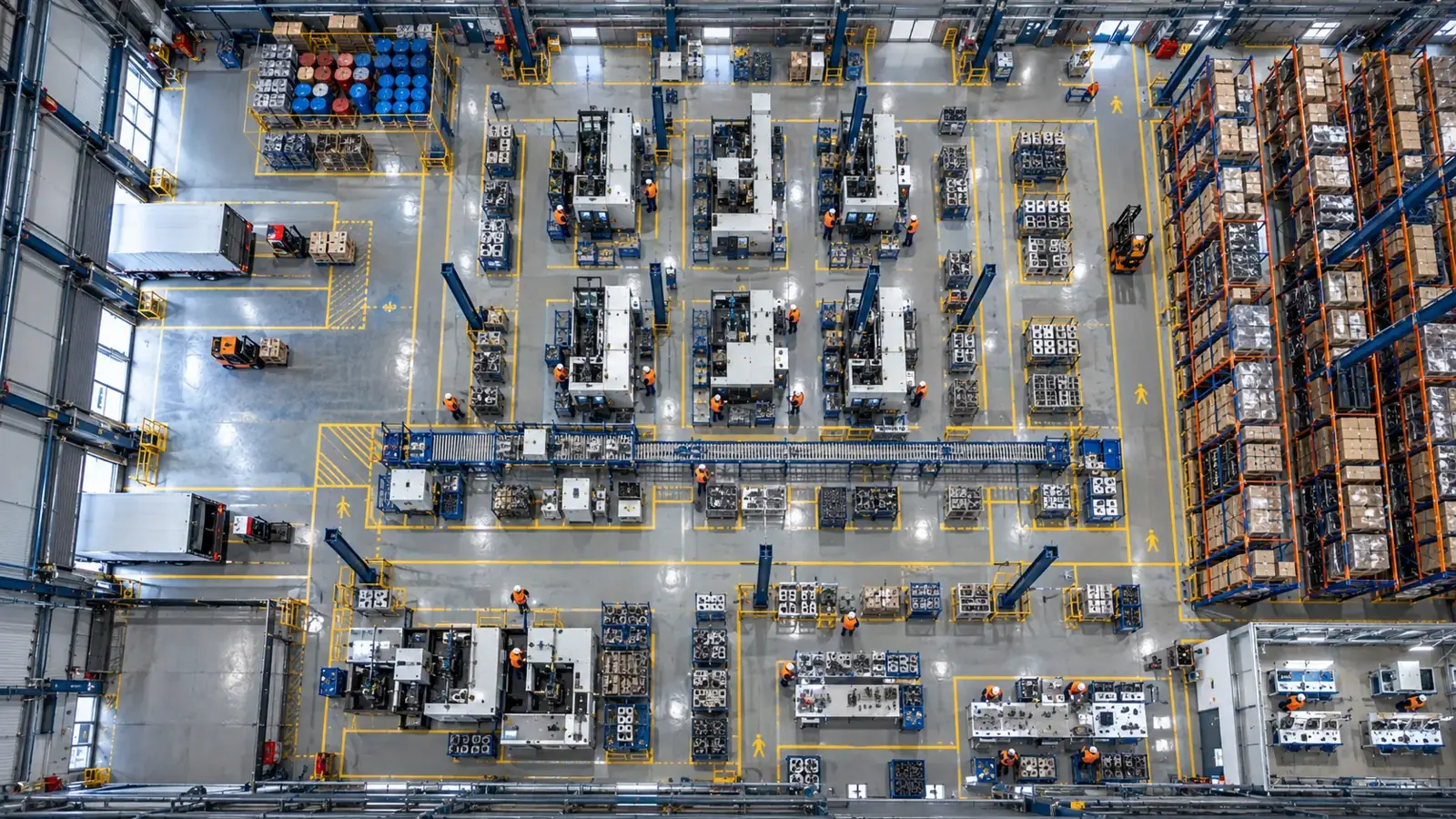
In-camera analytics offers fast, low-latency analysis on a limited scale, while centralized AI provides advanced, flexible, and in-depth processing. Combining both approaches delivers an optimal solution.
What Is Axis ACAP In-Camera Analytics?
Axis Communications’ ACAP (Axis Camera Application Platform) technology allows third-party software to be integrated directly into Axis IP cameras. This enables real-time image processing and AI-based analytics within the camera itself.
Due to resource constraints like limited processing power and memory, in-camera applications typically run simpler algorithms such as basic object detection, classification, or motion analysis.
- Low-latency, immediate analysis
- Limited resource use per camera
- Rule-based predefined analytics
- Minimal dependence on network connectivity
What Is Centralized AI Analysis?
Centralized AI analysis connects IP/CCTV cameras via RTSP or ONVIF protocols to a brand-agnostic platform. All video streams are processed on powerful servers or on-premise systems.
Advanced AI models like Hype Vision’s "Hype-Model" family perform various analytic tasks including object detection, classification, pose and hand tracking, and OCR.
This approach enables holistic evaluation across multiple cameras and comprehensive data integration.
- Advanced, flexible AI models
- High-capacity big data processing
- Diverse alarm and integration options
- Modular and scalable architecture
Comparison Table: Axis In-Camera vs Centralized AI Analysis
The table below summarizes the key features and differences between Axis in-camera analytics and centralized AI analysis.
| Criteria | In-Camera / Embedded | Centralized / External AI |
|---|---|---|
| Processing Location | Inside camera on limited hardware | Powerful servers or on-premise systems |
| Latency | Low, real-time response | Medium, affected by network delay |
| Analysis Capability | Basic to intermediate algorithms | Advanced, multi-model and data fusion |
| Camera Connectivity | Works per camera, typically single | Supports multi-brand, brand-independent cameras |
| Alarm Variety | Limited, camera-based | Rich, integrated with panels, SMS, VMS popup, ERP/MES |
| Privacy and Data Protection | Processing inside camera, minimal data leaves device | Identity-free and KVKK-compliant modules possible |
| Installation Time | Short, direct camera installation | Pilot and testing span 2-4 weeks |
| Scalability | Limited per camera | Easily adapts to large infrastructures |
Which Method Suits Which Situation?
In-camera analytics suits scenarios requiring low latency and rapid response for straightforward alarms and monitoring, such as access control or motion detection.
Centralized AI excels in complex image processing, multi-camera data integration, detailed quality inspection, and production analytics requiring extensive data.
Additionally, managing different brands on one platform, achieving advanced integrations, and handling KVKK-compliant complex scenarios favor centralized AI solutions.
- In-camera ACAP is preferred for simple alarms needing quick response.
- Centralized AI fits situations demanding comprehensive analysis and integration.
- Combining both approaches optimizes advantages in certain scenarios.
How Can Axis ACAP and Centralized AI Work Together?
In-camera ACAP applications can handle preprocessing and basic filtering, while complex analytics, recording, and reporting tasks are offloaded to centralized AI platforms.
This reduces unnecessary data transmission, allowing local rapid alerts and detailed analysis on the central system.
Brand-neutral platforms like Hype Vision easily connect IP cameras via RTSP/ONVIF and support AI analytics, offering integrated solutions with Axis ACAP.
- Combination of in-camera pre-analytics with centralized detailed analysis is cost-effective
- Enables scalable and flexible security and quality control systems
- Supports diverse alarm systems, PLC/relay, and ERP integrations
Installation and Implementation Steps
1. Needs Analysis: Define project requirements and determine which analytics are needed at which points.
2. Camera and System Compatibility: Verify if existing Axis IP cameras support ACAP and check camera models. Confirm RTSP/ONVIF connectivity for centralized platforms.
3. Pilot Installation: Conduct a 2-4 week pilot to test both in-camera and centralized AI analytics, evaluating accuracy and performance.
4. Hardware and Lighting: Integrate industrial cameras and lighting if necessary, especially to improve image quality for quality control.
5. Integration and Permissions: Deploy KVKK-compliant modules and configure alarm notifications (WhatsApp, SMS, VMS popup), plus PLC and ERP/MES integrations.
6. Training and Launch: Train users and management, then transition to live production environment.
- Select Axis ACAP SDK and compatible applications for in-camera analytics
- Configure RTSP/ONVIF and install Hype Vision platform for centralized AI
- Set up network configuration and security permissions
This page answers: axis acap ai · axis in-camera analytics
Frequently asked questions
What is Axis ACAP and what does it do?
Axis ACAP enables third-party applications to be integrated into Axis IP cameras, allowing embedded video analytics to run in real time with low latency.
What are the advantages of centralized AI analysis?
Centralized systems use powerful servers for advanced models, processing data from multiple cameras collectively, offering complex analytics, reporting, and integrated alarm systems.
Can Axis in-camera and centralized AI be used together?
Yes, in-camera analytics provides quick reactions, while centralized AI performs deep analysis. This combination balances cost and performance effectively.
What are the limitations of in-camera ACAP analytics?
Due to hardware constraints, in-camera analytics cannot run complex or large-scale data models and generally support only predefined, limited algorithms per camera.
Which camera connection protocols are used for centralized AI analysis?
Centralized platforms commonly connect and manage brand-independent IP cameras via standards like RTSP and ONVIF.
What can AI detect in your factory?
Let's review together which safety, quality and production analytics your existing security cameras can deliver.
- Free 15-minute technical call
- Camera infrastructure pre-assessment
- Feasible AI scenarios