
Comparing Dahua WizSense Embedded Analytics with External AI SystemsExplore the benefits, applications, and integration of Dahua WizSense embedded analytics versus centralized external AI systems for industrial vision.
AI analytics are becoming increasingly vital in camera security systems. Dahua’s WizSense/WizMind embedded analytics and centralized external AI systems offer tailored solutions for varying needs.
This article compares both approaches from technical and application perspectives to determine the best fit for different scenarios and the advantages of using them together.
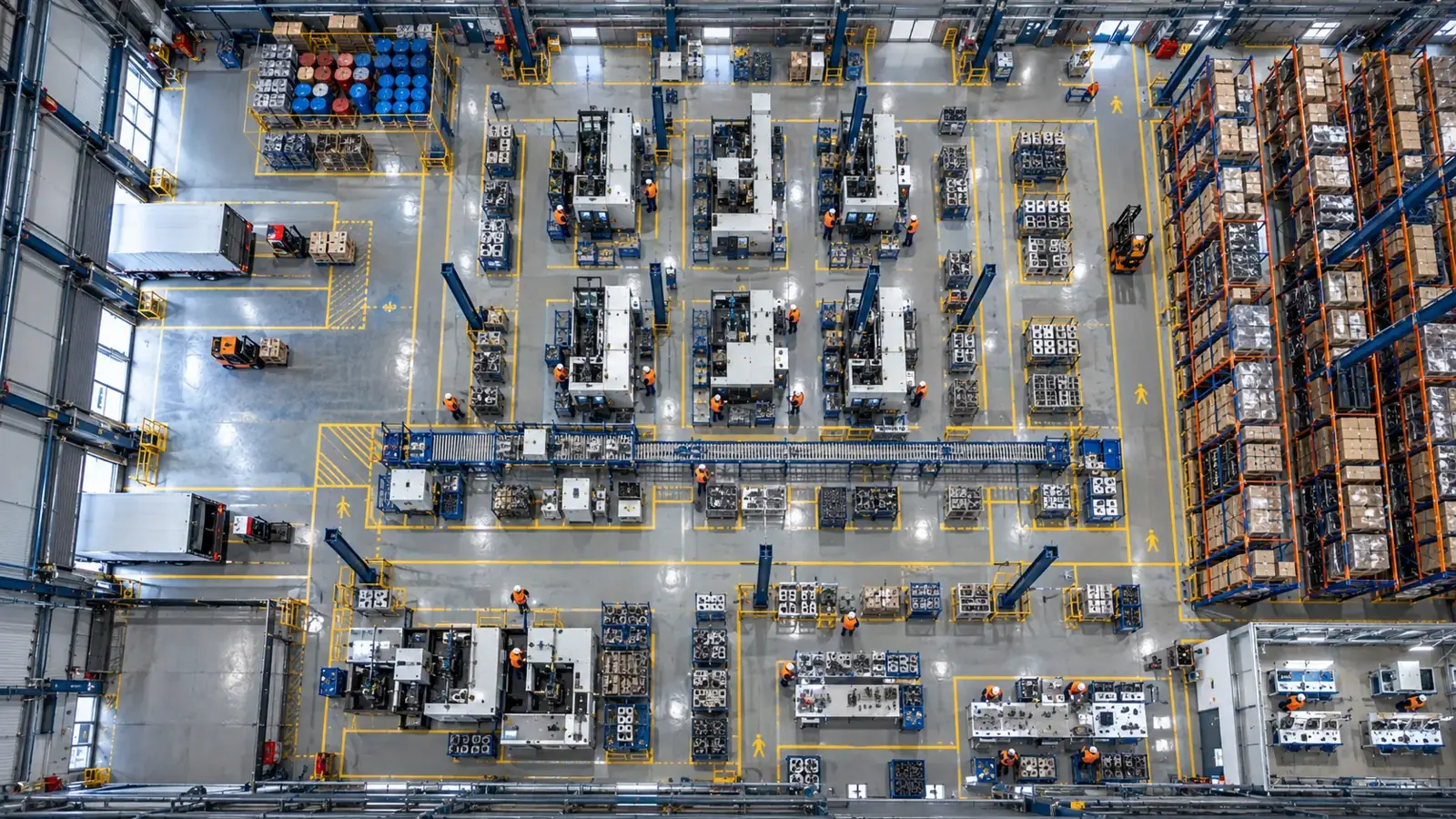
Dahua WizSense embedded analytics provide swift, camera-level solutions, while centralized external AI systems offer scalable, comprehensive analysis. Using them together delivers speed and depth.
Core Differences Between Embedded Analytics and External AI Systems
Dahua WizSense/WizMind embedded analytics involve AI modules operating directly within the camera, processing predefined object detection and behavior monitoring rules.
External AI systems capture video streams from cameras via standards like RTSP/ONVIF and analyze them centrally on servers or on-premise AI platforms using advanced, customizable models. Hype Vision’s Hype-Model family exemplifies this approach.
- Embedded analytics provide instantaneous, local processing integrated into camera hardware.
- External AI systems enable centralized management, extensive analysis, and content enrichment using multiple data sources.
Comparison Table
The table below highlights critical criteria comparing embedded analytics with centralized external AI systems.
| Criteria | Camera-based / Embedded | Centralized / External AI |
|---|---|---|
| Processing Location | On the camera | Server or local centralized platform |
| Analysis Flexibility | Predefined rules with limited updates | Flexible model updates and customization |
| Performance & Latency | Low latency, real-time response | High processing power with detailed analysis but some delay |
| Hardware Requirements | Camera only; no extra hardware needed | Camera plus server/platform; sometimes industrial lighting |
| Compatibility | Limited to specific camera models and firmware | Brand-agnostic via RTSP/ONVIF connection |
| Alarm Options | Camera panel, VMS popups, etc. | Various integrations (WhatsApp/SMS, PLC, ERP, REST API) |
| Privacy & Data Compliance | Typically on-camera, anonymous analysis | Anonymous, customizable modules compliant with KVKK |
| Installation & Scalability | Quick setup and usage | Pilot and expansion processes take 2–4 weeks or more |
Which System Is Suitable for Which Scenario?
Embedded analytics are ideal for small to medium projects needing real-time, simple detections with limited processing power. They enable fast installation and are perfect for low-latency alarm triggers but have limited flexibility for complex or evolving scenarios.
Centralized external AI systems connect multiple cameras of different brands via RTSP/ONVIF for unified AI analysis across the entire area. They support advanced modules such as object detection, classification, pose and hand tracking, and OCR, making them suitable for comprehensive and dynamic analysis. They are well-suited for specialized applications like quality control requiring industrial cameras and lighting.
- Practical, ready solutions for small businesses use embedded analytics.
- Large facilities benefit from multi-camera, customizable AI with external systems.
- Organizations prioritizing privacy and KVKK compliance prefer anonymous modules with local servers.
Advantages of Using Both Systems Together
Dahua’s embedded analytics and external AI systems complement each other. Basic, fast analysis runs on the camera, while comprehensive, in-depth analysis executes simultaneously or on demand through an external AI platform.
Priority alarm detection happens at the camera level for immediate response, with second-level verification or detailed reporting carried out centrally. This combination ensures both real-time action and high accuracy.
- Balances speed with flexibility
- Advanced analysis capabilities for complex scenarios
- Seamless integration with existing infrastructure
- Customization and scalability options
Installation and Integration Steps
Embedded analytics are usually activated via the camera’s standard interface, requiring no additional software or hardware. Firmware must be up to date. Alarm and popup integrations are configured through the camera portal or connected VMS settings.
For external AI systems, the steps include:
- Identifying cameras via RTSP/ONVIF and registering them on the platform
- Configuring network settings for video transmission to AI platforms like Hype Vision
- Selecting analysis modules (object detection, OCR, pose tracking, etc.)
- Setting up alarm triggers (WhatsApp, SMS, ERP integration, relay outputs)
- If needed, installing and calibrating industrial cameras and lighting
- Initiating pilot testing and performance evaluations
- Providing support and model updates post full deployment
Application Limits and Important Considerations
Embedded cameras typically have limited processing power, which can reduce accuracy in complex analyses and restrict updates to new algorithms.
External AI systems require sufficient bandwidth, uninterrupted data transfer, and robust hardware infrastructure. On-premise solutions must be carefully planned to ensure data privacy and KVKK compliance.
Lighting and environmental factors directly impact analysis performance; industrial lighting needs depend on the specific application.
This page answers: dahua wizsense external ai · dahua embedded analytics
Frequently asked questions
How do Dahua embedded analytics and external AI systems work together?
Embedded analytics perform fast preliminary analysis within the camera, while the external AI platform carries out advanced, customizable analyses centrally to provide both rapid response and detailed insights.
When should an external AI system be preferred?
External AI solutions are preferred for large-scale facilities requiring centralized management of data from many cameras and comprehensive analyses such as advanced object detection, pose tracking, and OCR.
Is it possible to add new features to embedded analytic systems?
Embedded analytic modules are generally limited to predefined rules provided by the camera manufacturer, with restricted ability to add new features or update algorithms.
Which camera models are compatible with external AI systems?
Many brand-agnostic IP/CCTV cameras supporting RTSP and ONVIF protocols can easily connect to external AI platforms.
What are typical installation timeframes?
Embedded analytics installations are usually rapid. External AI systems typically involve pilot phases lasting 2–4 weeks before full integration.
What can AI detect in your factory?
Let's review together which safety, quality and production analytics your existing security cameras can deliver.
- Free 15-minute technical call
- Camera infrastructure pre-assessment
- Feasible AI scenarios