
Edge AI vs Central GPU Server: A Comparison for Hype VisionExplore the pros and cons of edge AI and central GPU servers for the Hype Vision platform to determine the best fit for your industrial vision needs.
In industrial computer vision and AI technology, deciding where to perform analysis is critical. Edge AI inside the camera and central GPU server approaches each offer distinct advantages and limitations.
For brand-agnostic, on-premise AI platforms like Hype Vision, this choice is even more crucial. This article thoroughly discusses the technical and operational aspects of both methods, and when to prefer each.
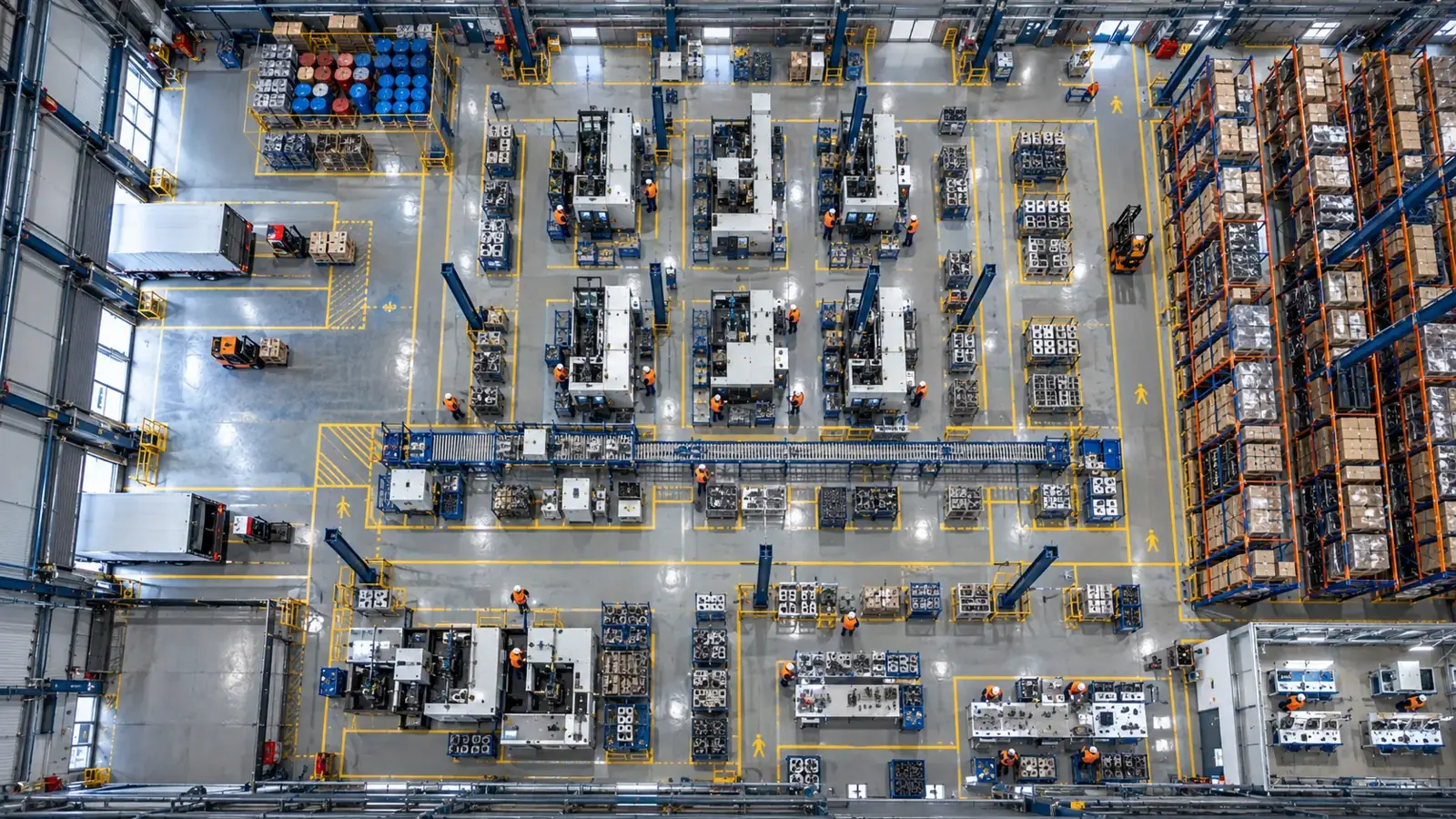
Edge AI offers low latency and independence, while central GPU servers handle complex analysis and large-scale deployments. Both can be used together depending on needs.
Key Differences Between Edge AI and Central GPU Server Approaches
Edge AI performs analysis directly within the camera or its add-on card, processing data locally and minimizing data transmission.
Central GPU servers receive video streams from multiple cameras to perform analysis with high-performance GPUs capable of running complex models.
- Edge AI: Low latency, minimal network traffic, fast response; limited processing power and flexibility.
- Central GPU Server: High processing capacity, supports complex analysis; requires high bandwidth and network reliability.
Functionality and Performance Within the Hype Vision Platform
The Hype Vision platform supports connecting existing cameras brand-independently via RTSP/ONVIF and offers advanced features such as detailed object detection, classification, pose, and hand tracking through its proprietary Hype-Model family.
Edge AI modules are generally suited for basic detection and limited analysis, while advanced Hype-Model applications like pose tracking or OCR benefit from powerful GPU servers.
Comparison Table: Edge AI vs Central Server
The following table compares important criteria:
| Criteria | Edge (In-Camera/Embedded) | Central / External AI |
|---|---|---|
| Latency | Very low, enabling immediate decisions | Moderate to high, depending on network delay |
| Processing Power | Embedded limited hardware | High-capacity GPUs supporting extensive analysis |
| Network Usage | Minimal, only alarms and results sent | High bandwidth required for continuous video streaming |
| Deployment and Maintenance | Settings per camera may be needed | Centralized management simplifies oversight but requires server monitoring |
| Privacy and Data Protection Compliance | Data remains local, suitable for anonymized processing | Significant data transfer, raising data protection concerns |
| Flexibility and Updates | Limited ease of model updates | Models updated centrally for rapid adaptation |
| Scope and Scalability | Limited number of cameras and complexity | Supports thousands of cameras and complex analytics |
| Cost | Higher hardware cost per camera | Server and network infrastructure costs with distributed expenses at scale |
When to Choose Which Option?
Edge AI is ideal for applications requiring real-time reactions, limited network environments, or strong privacy considerations. With Hype Vision’s on-premise structure, anonymized modules support data protection compliance.
Central GPU servers excel in large-scale settings requiring detailed analysis and reporting across many cameras. Advanced functions like OCR, detailed classification, or pose/hand tracking run most effectively here.
Integrating industrial cameras and lighting with a centralized system provides advantages in tightly integrated quality control scenarios.
Benefits of Hybrid Use on the Hype Vision Platform
When immediate, independent decisions are needed for a few cameras, a central server can simultaneously provide in-depth analysis. This hybrid method minimizes latency while ensuring comprehensive insights.
For example, integrated AI in critical security cameras can provide instant alarms, while a central GPU server handles facility-wide monitoring and reporting.
The Hype Vision infrastructure is designed with the flexibility to support such hybrid deployments.
Installation Process and Technical Requirements
A typical Hype Vision deployment starts with a 2 to 4 week pilot project. Existing IP/CCTV cameras connect easily via RTSP/ONVIF protocols for edge AI applications.
For central GPU server setups, adequate server capacity and fast network infrastructure are essential.
Quality control applications also benefit from integration with industrial cameras and lighting.
Alarm and data integration with WhatsApp, SMS, ERP/MES, PLC, or REST APIs should be planned in advance.
- Verify RTSP/ONVIF support on existing cameras
- Assess camera hardware capability for edge AI
- Plan GPU capacity and network infrastructure for central servers
- Conduct pilot tests to validate performance
- Ensure system integration of alarms and outputs
This page answers: edge ai vs central server · edge ai camera vs server
Frequently asked questions
Does edge AI work on every camera model?
Edge AI capability depends on the camera’s hardware. Older or low-performance cameras may offer limited or no support for embedded analysis. Hype Vision generally supports existing cameras compatible with RTSP/ONVIF, but hardware adequacy is crucial for integration.
What impact does a central GPU server have on the network?
Central AI requires streaming all video feeds to the server at high bandwidth, necessitating strong and reliable network infrastructure. Network bottlenecks or interruptions can degrade performance and analysis quality.
When is a hybrid solution recommended?
For scenarios needing real-time critical alarms, edge AI is preferred, while the central GPU server manages subsequent comprehensive analysis. This approach reduces latency while providing deep analytics.
Which approach is better for data protection compliance?
Edge AI processes data locally and transmits minimal data externally, facilitating easier compliance with data protection regulations. Central analysis involves increased video transfer and storage, requiring careful data management.
What analyses does Hype Vision’s Hype-Model family support?
Hype-Model includes advanced analytics like object detection, classification, pose and hand tracking, and OCR. Complex tasks perform best on GPU servers, while basic analyses can also be executed on edge devices.
What can AI detect in your factory?
Let's review together which safety, quality and production analytics your existing security cameras can deliver.
- Free 15-minute technical call
- Camera infrastructure pre-assessment
- Feasible AI scenarios