
Comparing Hikvision AcuSense and External AI AnalysisObjective comparison of Hikvision AcuSense embedded analytics and external AI solutions, their applications, differences, and integration options.
AI-powered camera analytics are increasingly prominent in security and industrial automation. Embedded analytics like Hikvision AcuSense and external AI solutions each offer unique benefits.
This article provides an unbiased comparison of their technical features, use cases, and installation processes to help determine the best choice for your needs.
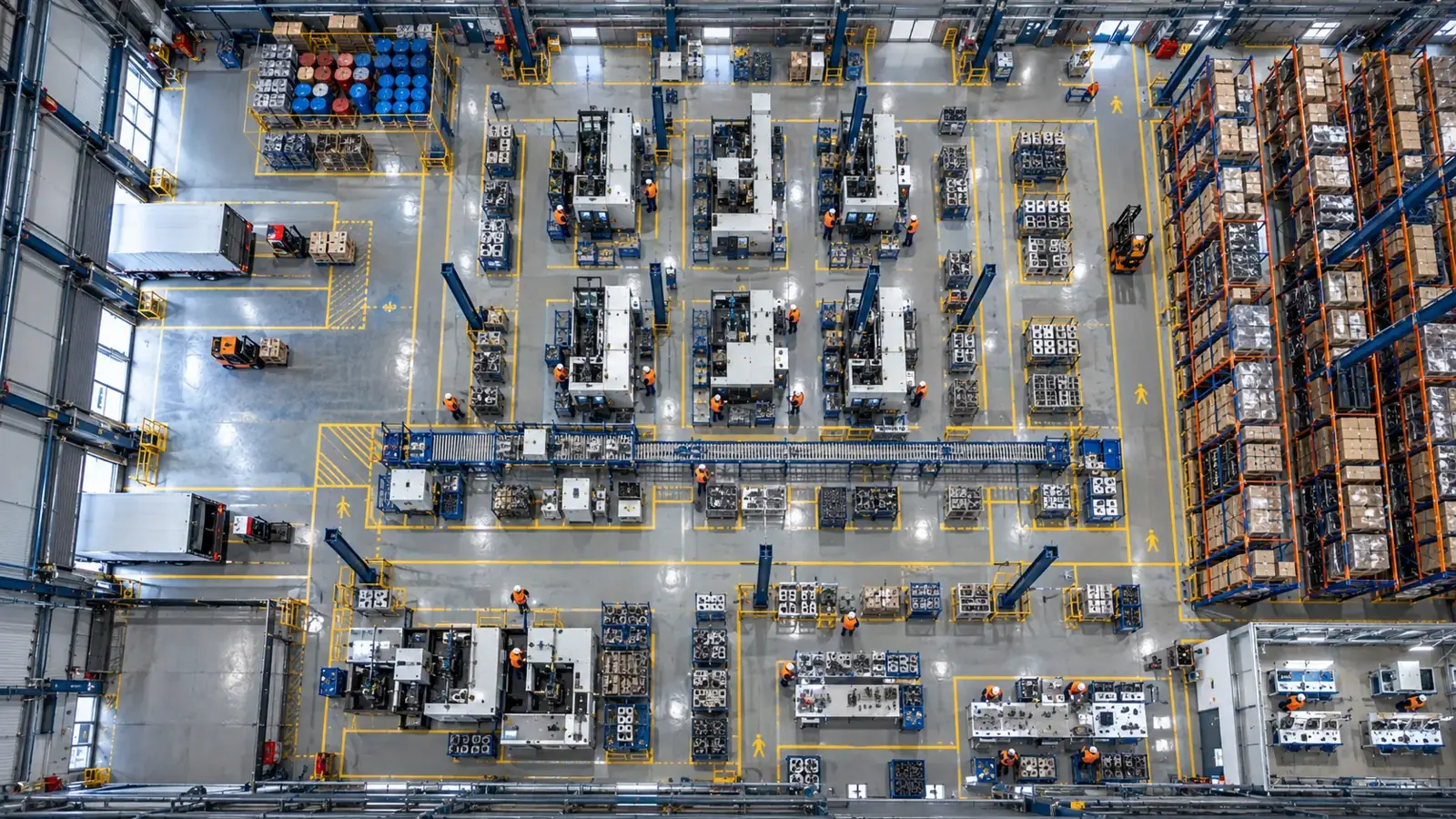
Embedded camera analytics deliver quick, straightforward results, while external AI systems enable more complex and flexible analysis. Combining both technologies can maximize benefits.
Key Differences Between Embedded Analytics and External AI
Embedded analytics are AI algorithms integrated directly into IP/CCTV cameras. These analyses happen on the camera itself and are generally limited to basic features like motion detection and human/vehicle identification.
External AI runs on servers, cloud platforms, or on-premise computers, allowing for extensive, brand-agnostic, advanced object recognition, classification, pose, and hand tracking with complex algorithms.
- Embedded analytics provide lower latency and reduced network load.
- External AI systems are far more flexible and support custom models (e.g., the Hype-Model family).
- External solutions typically support multiple camera brands and models via RTSP/ONVIF protocols.
- Embedded solutions often have per-camera licensing and algorithm limitations.
Suitability Based on Use Cases
Embedded analytics are suitable for basic alarms, motion, and object detection needs, offering quick deployment and low cost for environments like construction sites or retail locations.
External AI analysis systems are ideal for quality control, industrial monitoring, detailed statistics, and advanced security analyses, especially in complex settings or multi-camera integrations.
- Embedded analytics are sufficient for simple alarms and notifications.
- External AI is preferable for brand-independent and advanced object analysis.
- High-accuracy applications benefit from external models.
- Hybrid use allows preliminary triggers on-camera, with detailed analysis handled externally.
Technical Features and Operating Principles
Embedded analytics are tightly integrated with camera hardware and operate based on predefined rules (e.g., motion zones, alarm types). Due to limited processing power, complex analyses are not feasible within the camera.
External AI receives raw video streams via RTSP/ONVIF to a centralized platform where greater processing power and custom models (such as Hype-Model) perform detailed analyses. On-premise setups also support data privacy.
- Network load in embedded analytics involves only alarms and reduced data streams.
- External systems require higher bandwidth and processing resources.
- Advanced analytics depend on quality cameras and proper lighting.
- Modular architectures enable REST API and PLC integrations.
Installation and Integration Steps
Embedded analytics are configured via the camera’s menu by selecting alarm rules and begin working immediately without complex training or model updates.
External systems start with connecting cameras via RTSP or ONVIF regardless of brand/model, followed by selecting AI modules, installing lighting or industrial cameras if needed, conducting a pilot test (usually 2-4 weeks), and completing full integration.
- Embedded: Camera menu > Analytics settings > Alarm rules.
- External: Platform setup > RTSP/ONVIF camera connections > Model selection (Hype-Model) > Pilot testing > Integration.
- Industrial cameras and specialized lighting may be added for quality control or custom uses.
- Alarm outputs integrate with WhatsApp, SMS, PLCs, REST APIs, and more.
When to Choose Which Solution
For fast, low-cost, and basic security applications, embedded analytics are generally sufficient, especially for small sites or single locations.
For multi-brand cameras, high accuracy, detailed object classification, or advanced pose and hand tracking, external AI is preferred. On-premise solutions also enhance data privacy.
Both systems can be combined to use embedded analytics for initial filtering and external AI for detailed evaluation.
- Embedded analytics for speed and ease of setup.
- External AI for flexibility, detailed insights, and multi-integration.
- Hybrid use allows embedded pre-filtering with detailed external analysis.
- External systems plus industrial cameras and lighting for industrial quality control and special requirements.
This page answers: hikvision acusense vs external ai · hikvision intelligent analytics limitations
Frequently asked questions
What is Hikvision AcuSense embedded analytics?
AcuSense is built-in AI within Hikvision cameras that offers motion detection and target recognition capabilities, operating inside the camera to support basic alarm functions.
What are the benefits of external AI analysis?
External AI connects multiple camera brands, enabling complex object detection, classification, and hand/pose tracking with centralized control and versatile integration.
When should I use embedded analytics?
Embedded analytics are preferred for simple motion alarms, quick deployment, low cost, and minimal processing requirements.
Is setting up external AI systems difficult?
Setup typically involves a 2-4 week pilot phase with adjustments. Cameras connect via RTSP or ONVIF, AI models are selected, and the system is fully integrated thereafter.
Can both systems work together?
Yes, initial triggers can be handled by embedded analytics, with detailed analysis and reporting performed by external AI, enhancing overall efficiency.
What can AI detect in your factory?
Let's review together which safety, quality and production analytics your existing security cameras can deliver.
- Free 15-minute technical call
- Camera infrastructure pre-assessment
- Feasible AI scenarios