
AI for 100+ Cameras in Large Facilities: Where to Start?Practical steps for multi-camera video analytics: prioritization, GPU planning, and phased deployment in industrial environments.
Deploying AI analytics for over 100 cameras in a large facility can be complex.
With proper planning, you can maximize ROI while enhancing safety and operational efficiency.
This guide covers prioritization, hardware resource planning, and gradual rollout strategies.
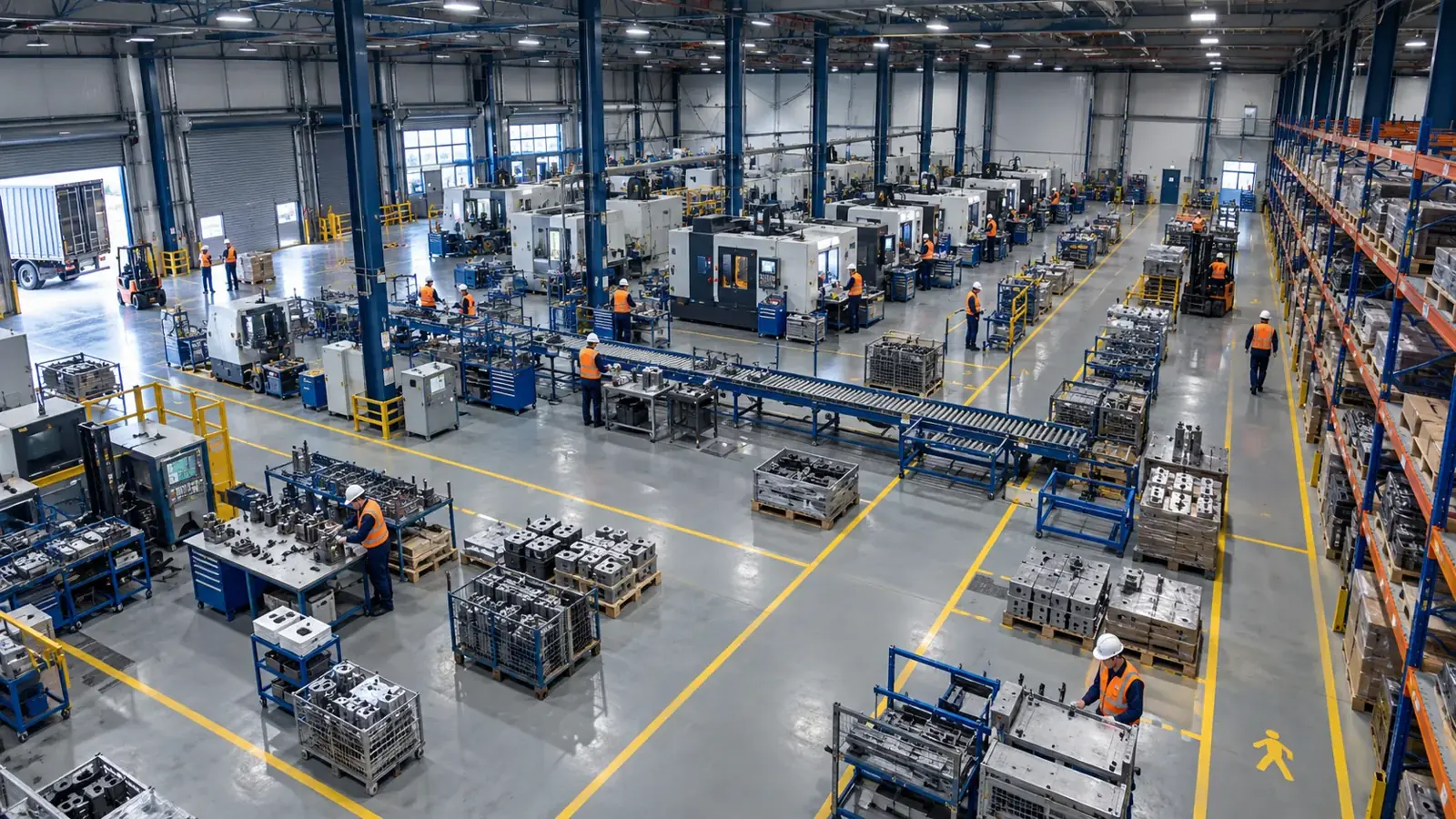
Challenges of AI with Many Cameras in Industrial Settings
Analyzing numerous cameras using AI requires special attention to infrastructure, performance, and data management.
Identifying critical video streams and selecting appropriate hardware is essential.
- Integrating various camera brands via RTSP/ONVIF standards
- Determining realistic GPU requirements for real-time analytics
- Managing synchronization and data flow from multiple video sources
Step 1: Prioritization and Needs Assessment
Start by defining which areas and events need monitoring most.
Typically, safety-related modules (PPE, forklift-pedestrian) and critical quality checks lead the priority list.
- Identify hazardous or restricted zones
- Focus on compliance monitoring like PPE detection (hard hats, vests)
- Highlight crucial points for fire and smoke detection
Step 2: Edge and GPU Resource Planning
Sending video from all cameras to a central server can cause latency and bandwidth bottlenecks.
Local edge analytics devices minimize these issues and enable faster responses.
- Conduct accurate pre-assessments to estimate how many cameras per GPU can be processed
- Plan GPU and edge computing capacity according to network infrastructure
- Model types and workload intensity influence hardware needs
Step 3: Phased Deployment and Pilot Programs
Deploying hundreds of cameras at once is not recommended.
2-4 week pilots allow system tuning based on real feedback.
- Start with priority zones
- Expand the scope step-by-step after evaluating pilot results
- Pilot data helps tailor solutions to the site’s unique requirements
Legal Considerations and General Advice
AI-powered surveillance should comply with local privacy laws and regulations like OSHA in the US.
General workplace safety standards should always be followed.
This article is for informational purposes only and not legal advice.
Next Step: Free Pre-Assessment
Hype Vision offers a free pre-assessment customized for your multi-camera video analytics needs.
Let us help you plan and succeed with AI investments that scale.
Related solutions
Frequently asked questions
How many GPUs are needed for 100+ cameras?
This depends on your use cases and camera resolution. Accurate pre-assessment determines the right capacity for your setup.
Can different camera brands be used together?
Yes, as long as they support RTSP and ONVIF protocols, brand-independent integration is possible.
Which industries use AI modules like PPE detection or forklift-pedestrian safety?
These are widely applied in workplace safety, quality control, inventory counting, fire detection, and OEE in industrial environments.
What is the typical duration and scope of a pilot project?
Usually 2-4 weeks, focusing on real-life testing and system adjustments before full deployment.
How is data privacy ensured?
On-premise solutions operate within your facility, minimizing cloud dependency and helping to comply with privacy laws.
What can AI detect in your factory?
Let's review together which safety, quality and production analytics your existing security cameras can deliver.
- Free 15-minute technical call
- Camera infrastructure pre-assessment
- Feasible AI scenarios