
Computer Vision Pilot Checklist: AI Pilot PreparationPractical checklist for camera readiness, network setup, and safety goals to start your computer vision pilot quickly and effectively.
Launching a computer vision pilot is a crucial step for successful industrial AI projects.
Proper preparation before the pilot ensures fast deployment and high-quality data collection.
This article covers essential checks for camera compatibility, network infrastructure, and workplace safety objectives.
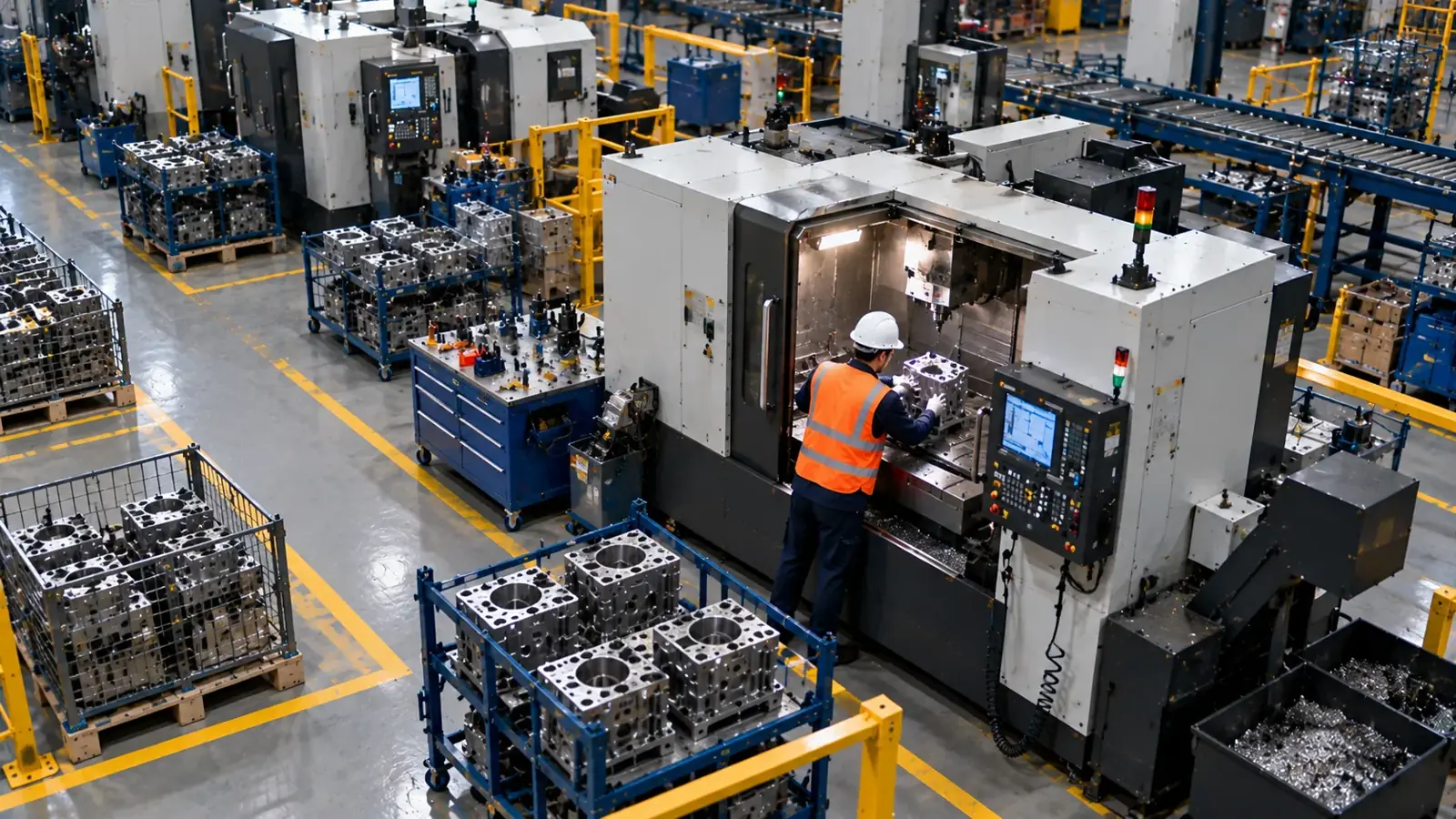
Camera and Image Quality Check
The accuracy of AI-based analyses depends heavily on the quality of cameras used. Resolution, exposure settings, and field of view must be optimized.
Compatibility with RTSP/ONVIF protocols is required for seamless integration with Hype-Model modules.
- Ensure images are clear without overexposure or darkness.
- Cameras should be securely mounted and cover the target zones.
- Test live feed access via RTSP or ONVIF protocols.
- Adjust camera settings according to lighting and operating schedules.
Network Infrastructure and Data Security
Stable network connectivity with sufficient bandwidth is critical for smooth data transfer between cameras and processing units.
Preferring on-premise deployments ensures sensitive data remains within the facility, aligning with data privacy best practices.
- Define clear access permissions for cameras and servers.
- Verify firewall settings and secure network protocols are in place.
- Ensure that local data storage is configured properly.
- Confirm network capacity supports pilot data workloads.
Workplace Safety (OSHA) Objectives Alignment
Prior to pilot start, defining workplace safety goals enables tailoring AI modules for compliance and risk monitoring.
Modules like PPE detection, forklift-pedestrian alerts, and restricted zone monitoring should align with identified risk areas.
- Review risk assessments and safety reports.
- Map high-risk zones within the facility.
- Standardize use of protective equipment policies.
- Communicate objectives with relevant teams.
Accelerating Pilot Launch with a Pre-Assessment
Completing a thorough pre-assessment including site visits and reviewing existing camera setups helps mitigate risks and streamline the pilot timeframe.
This step verifies readiness and defines key performance indicators for pilot success.
- On-site verification of camera systems and recording sample footage.
- Coordination with IT teams to assess network capabilities.
- Engagement with safety officers to clarify objectives.
- Defining reporting needs and expected outputs.
Next Steps: Request a Free Pre-Assessment
To ensure a smooth and effective computer vision pilot, take advantage of Hype Vision’s free pre-assessment service.
Our experts will evaluate your current setup and recommend suitable models and plans tailored to your facility.
Contact us today to kick-start your project efficiently.
- Submit a free pre-assessment request via our website form.
- Receive detailed consultation regarding pilot scope and requirements.
- Collaborate on a customized rollout plan that saves time and resources.
Related solutions
Frequently asked questions
Which cameras are suitable for AI pilots?
Hype-Model modules are compatible with all cameras accessible via RTSP or ONVIF protocols, regardless of brand, as long as they provide stable, clear images.
Why is network infrastructure important for the pilot?
Uninterrupted data flow and sufficient bandwidth are vital for real-time image analysis, affecting pilot performance.
How is data privacy maintained in AI deployments?
Hype Vision systems operate on-premise to ensure data remains within your facility, aligning with privacy regulations. This information is for general guidance, not legal advice.
How long does pilot preparation usually take?
Typical preparation and pilot startup takes 2 to 4 weeks; a pre-assessment helps optimize this schedule for a smooth launch.
What can AI detect in your factory?
Let's review together which safety, quality and production analytics your existing security cameras can deliver.
- Free 15-minute technical call
- Camera infrastructure pre-assessment
- Feasible AI scenarios