
What Affects the Cost of AI Camera Systems?Learn the key factors influencing AI camera system costs, including camera quantities, AI modules, server infrastructure, and pilot projects.
AI-powered camera systems are increasingly used in safety and industrial image processing.
However, various factors influence their cost, making it difficult to provide a fixed price.
This article explores the main elements that determine AI camera system expenses.
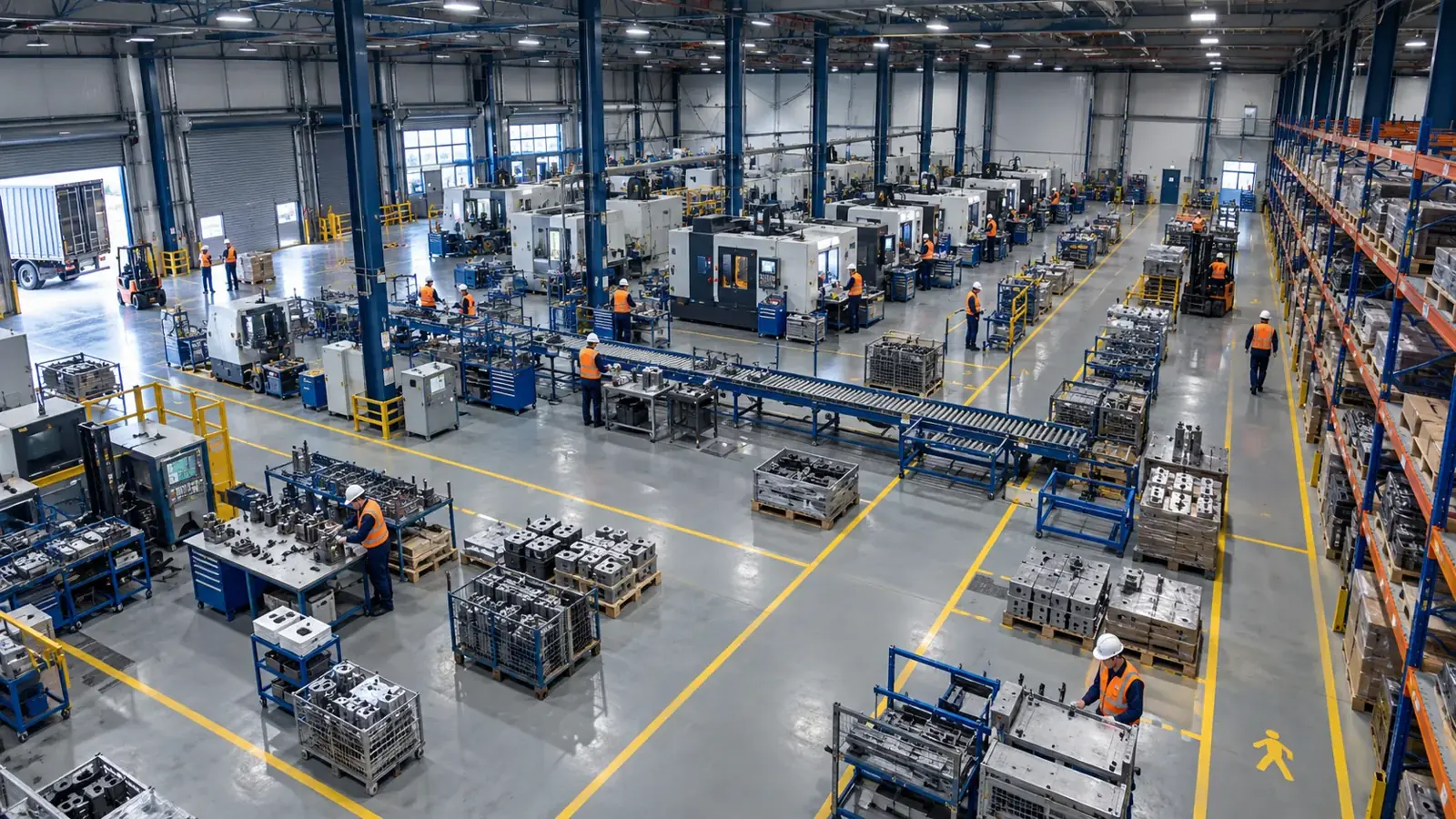
Number and Type of Cameras
One of the most significant cost factors is the number of cameras installed. More cameras mean higher hardware and licensing expenses.
Camera specifications such as resolution, night vision capability, and durability also impact the overall price.
- High-resolution cameras deliver more precise analysis but come with higher costs.
- Indoor vs. outdoor usage influences camera selection and pricing.
AI Modules and Analytics Features
Modular AI solutions like Hype Vision's Hype-Model family affect pricing based on selected features.
Modules can include PPE detection, forklift-pedestrian interaction, restricted area monitoring, fire/smoke detection, product counting, quality control, and OEE tracking.
- Each module carries different functional complexity and licensing fees.
- Advanced capabilities and detailed reporting options can increase cost.
Server and Software Infrastructure
AI processing typically runs on on-premise servers, supporting privacy compliance.
The server hardware required depends on workload and influences the investment needed.
- Powerful servers enable faster, more accurate analysis but increase initial costs.
- Proper server management is critical for system performance and sustainability.
Pilot Project and Pre-Assessment
A typical pilot phase lasts 2-4 weeks, allowing thorough evaluation of system suitability and performance.
The pilot results inform the final technical details and cost quotations.
Thus, a clear price cannot be given without a pre-assessment.
- Pilot includes setup and training activities.
- This ensures a tailored solution aligned with specific business needs and expectations.
Legal Framework and Use Cases
AI camera systems are applied in workplaces under general occupational health and safety regulations.
Compliance with privacy regulations like data protection laws is essential.
This content provides general information and is not legal advice.
- PPE detection and forklift safety help reduce workplace accidents.
- Quality and productivity monitoring is supported by OEE modules in industrial environments.
Next Step: Free Pre-Assessment and Consultation
AI camera system cost varies by scope and requirement. A detailed pre-assessment is necessary for accurate pricing.
With Hype Vision, you can start a free pre-assessment to identify the best solution for your business.
- Have your existing camera infrastructure and needs evaluated by our experts at no cost.
- This step will guide you to make an informed investment decision.
Related solutions
Frequently asked questions
What determines the price of AI camera systems?
Factors include the number of cameras, selected AI modules, server infrastructure, and pilot project scope. A pre-assessment is essential for precise pricing.
Does compliance with privacy regulations affect cost?
On-premise solutions compliant with privacy laws ensure data security. Compliance may affect cost but brings long-term benefits.
Can existing cameras be integrated into the AI system?
Hype Vision supports RTSP and ONVIF-compatible cameras regardless of brand, potentially reducing hardware costs.
Why is the pilot phase important?
The pilot tests system performance in the real environment and helps finalize cost estimates, enabling customized solutions.
When can I get a firm cost offer?
A detailed cost proposal is provided after the pilot and pre-assessment clarify your specific requirements.
What can AI detect in your factory?
Let's review together which safety, quality and production analytics your existing security cameras can deliver.
- Free 15-minute technical call
- Camera infrastructure pre-assessment
- Feasible AI scenarios